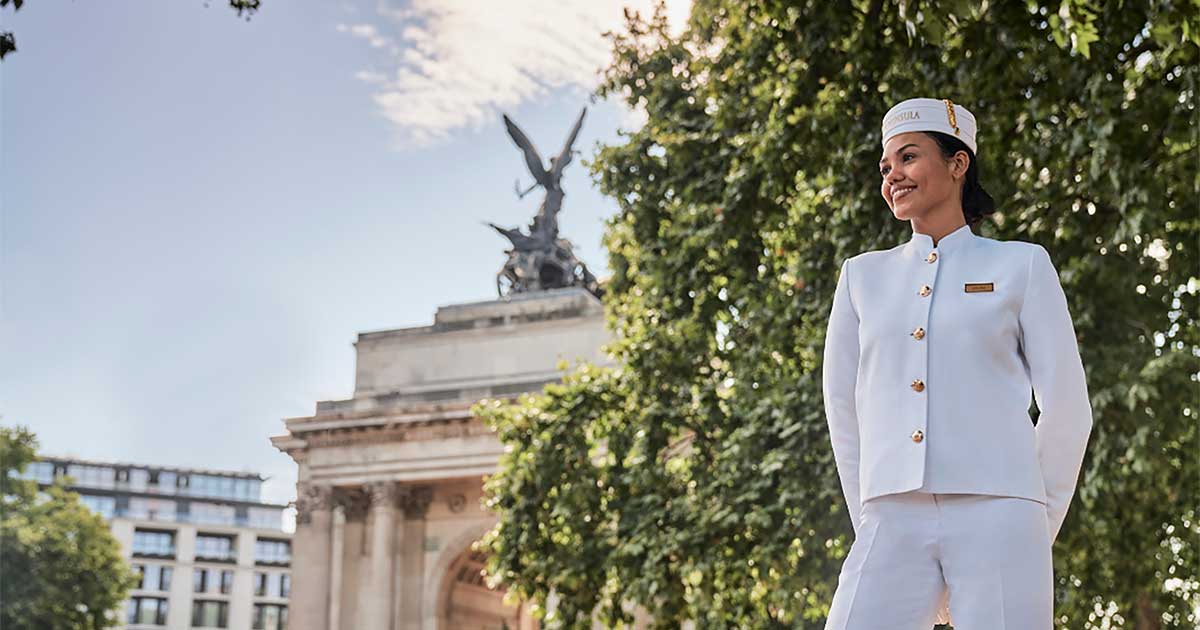
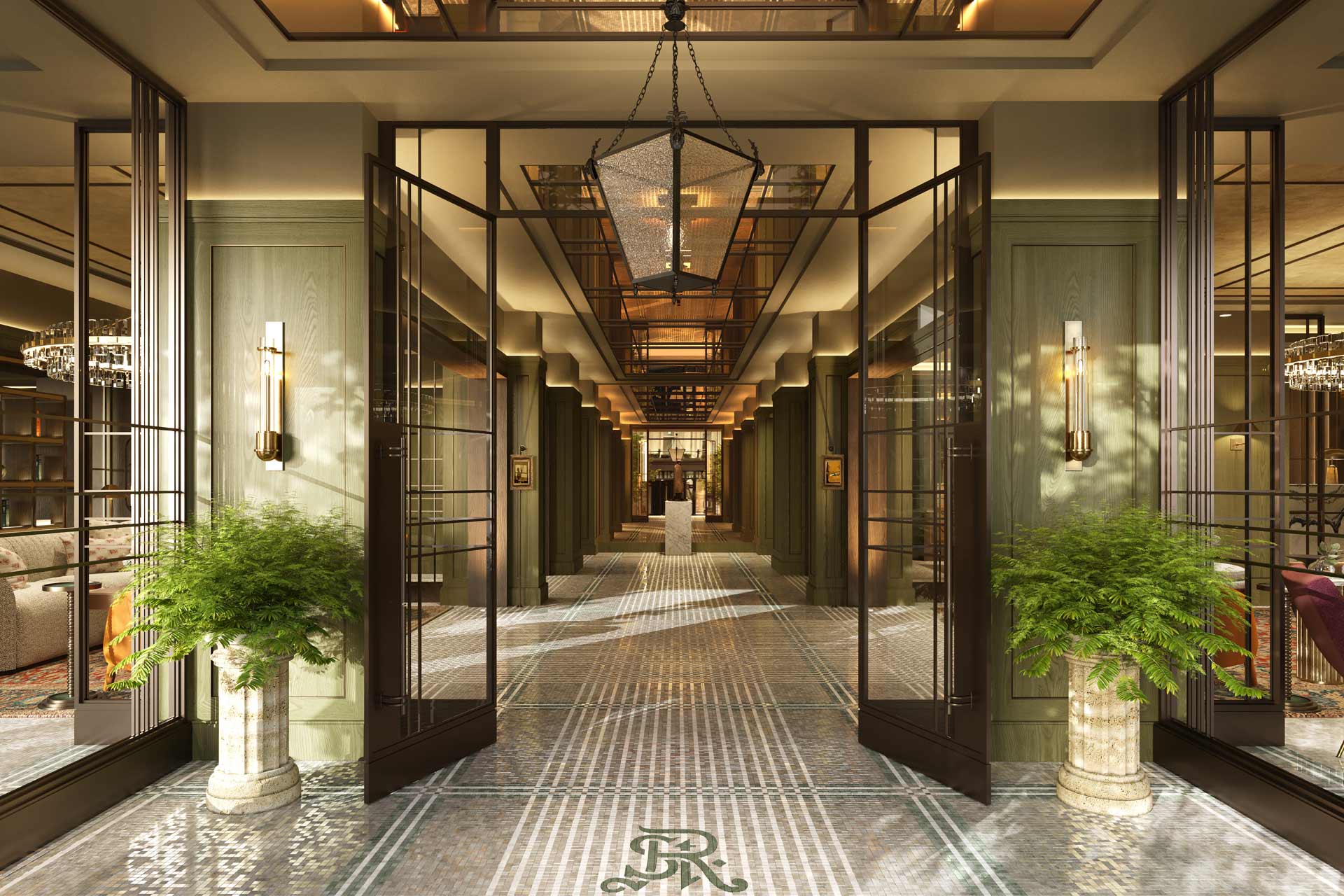
In a district where Bentleys purr past Georgian townhouses and where the rustle of Harrods shopping bags mingles with the whisper of diplomatic secrets, Mayfair's hotels stand as monuments to a very particular brand of British luxury. Here, on streets where history was written and fortunes made, hospitality reaches heights that make even the most seasoned luxury traveller reconsider the very notion of 'home'.
For those who call Mayfair home - whether temporarily or permanently - the neighbourhood's hotel landscape represents more than mere accommodation. These establishments serve as extensions of one's lifestyle, venues for power lunches that shape markets, and sanctuaries where privacy is as meticulously curated as the thread count of Egyptian cotton sheets.
The Art of Mayfair Hospitality
What distinguishes Mayfair's hotel offerings from their global counterparts lies not merely in their opulent interiors or Michelin-starred dining, but in their understanding of discretion as the ultimate luxury. On Berkeley Street, where financiers broker deals over afternoon tea, or along the refined stretch of Mount Street, these hotels function as unofficial embassies for the international elite.
The discerning guest - perhaps a hedge fund manager closing a deal in the City, or a collector attending Sotheby's latest auction on New Bond Street - requires more than sumptuous surroundings. They demand an ecosystem where every detail, from the morning Financial Times delivered on handmade paper to the seamless coordination of private jet transfers, reflects an understanding of how the truly affluent live.
Beyond Accommodation: Lifestyle Curation
In Mayfair, luxury hotels transcend their traditional role. They become curators of experience, gatekeepers to exclusive events, and architects of memories that money alone cannot purchase. The finest establishments understand that their clientele - whether Russian oligarchs, American tech titans, or British aristocracy - seek not just comfort, but cultural immersion at the highest level.
Consider the subtle art of securing last-minute reservations at restaurants where others wait months, or the seamless arrangement of private viewings at galleries along Cork Street. These services transform a hotel stay from a mere transaction into a masterclass in sophisticated living.
The Mayfair Advantage
Location, as any Mayfair resident will attest, remains paramount. The neighbourhood's hotels benefit from their proximity to Grosvenor Square's diplomatic quarter, the retail temples of Bond Street, and the cultural treasures of the Royal Academy. Guests can breakfast at their hotel, conduct business in nearby boardrooms, lunch at exclusive members' clubs, and return for evening cocktails without ever feeling disconnected from the pulse of global commerce and culture.
This geographical advantage extends beyond convenience. Mayfair's hotels exist within an ecosystem of luxury that validates and enhances their own offerings. The Hermès boutique is not merely a shop but a neighbour; the private banks along Piccadilly are not institutions but local amenities.
The Future of Mayfair Luxury
As London continues to evolve as a global capital, Mayfair's hotels are adapting whilst preserving the timeless elegance that defines the district. Technology integrates seamlessly with tradition - think voice-controlled suites overlooking Hyde Park, or AI-powered concierge services that remember your preference for Dom Pérignon 2012 over the 2010 vintage.
Yet the fundamental appeal remains unchanged: in Mayfair, luxury is not performative but instinctive, not ostentatious but utterly assured. The neighbourhood's hotels understand that true luxury lies not in golden taps or celebrity endorsements, but in the quiet confidence that comes from knowing you are exactly where you belong - at the very centre of London's most prestigious postcode.
For those who appreciate that distinction, Mayfair's hotels offer not just accommodation, but membership in an exclusive club where the only entry requirement is an understanding that some experiences simply cannot be replicated elsewhere.