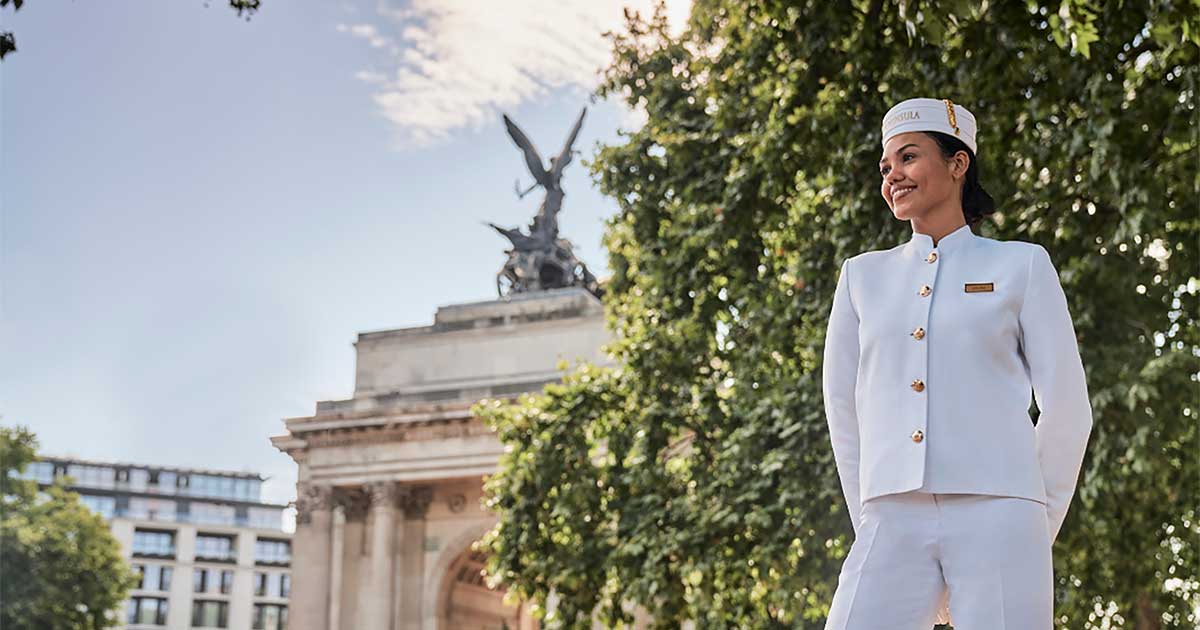
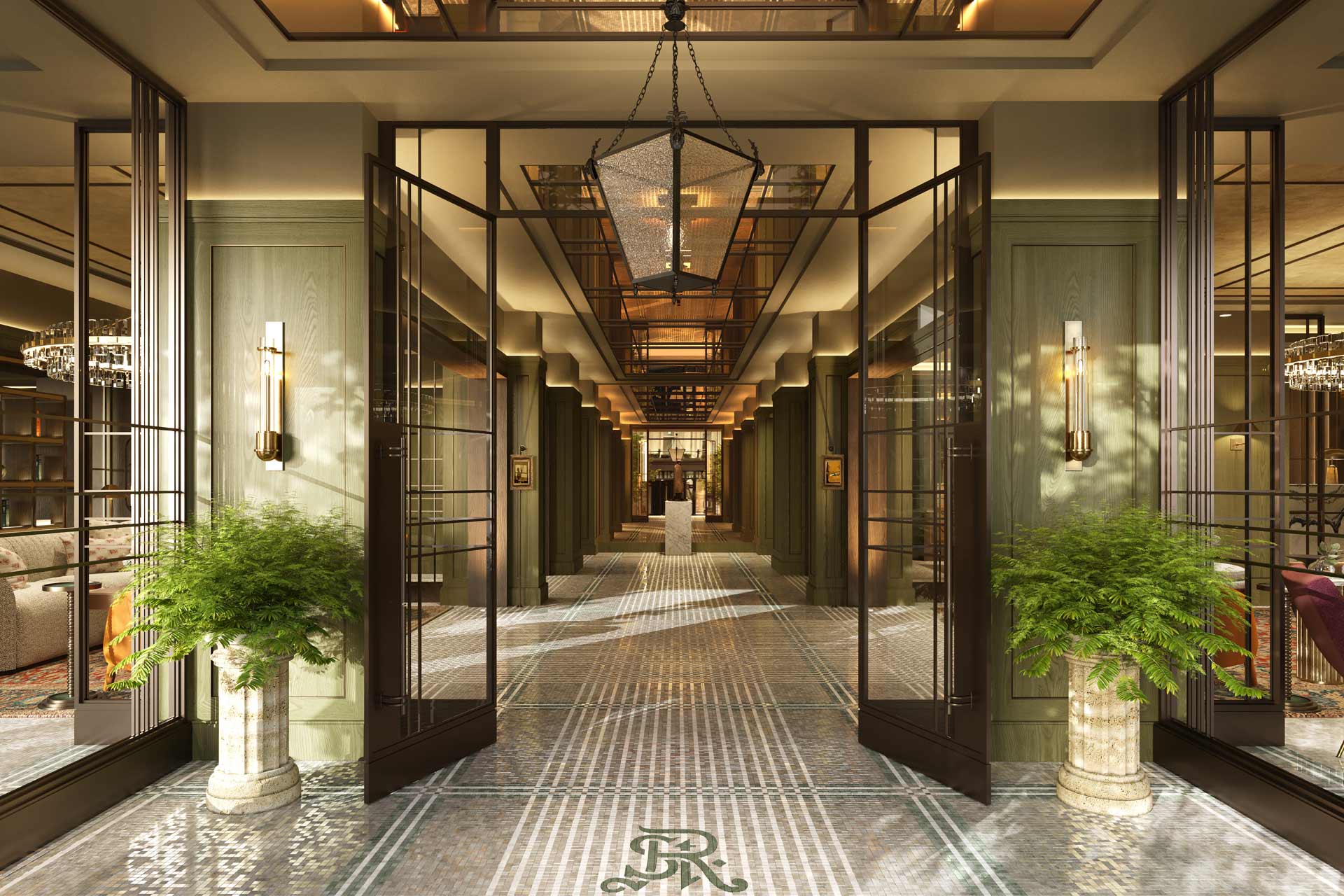
In the heart of Mayfair, where Georgian facades whisper tales of centuries past and Rolls-Royces glide silently along Berkeley Square, a quiet revolution is transforming London's hospitality landscape. The capital's super-luxury hotel sector is experiencing an unprecedented renaissance, with nowhere feeling this golden wave quite like W1's most coveted postcodes.
For those who call Mayfair home, work within its hallowed streets, or simply appreciate the finer things in life, this boom represents more than mere property development - it's a reimagining of what luxury hospitality can be in the 21st century.
A Perfect Storm of Prosperity
The surge in super-luxury hotels across London, particularly concentrated around Mayfair and its neighbouring enclaves, reflects a confluence of factors that would make any astute observer of the luxury market take notice. Ultra-high-net-worth individuals are increasingly seeking experiences that transcend traditional five-star offerings, demanding bespoke services that rival private residences.
From the corridors of hedge funds along St James's to the art galleries of Cork Street, Mayfair's professional elite understand this trend intimately. These aren't simply hotels - they're lifestyle statements, offering suites that function as pied-à-terre alternatives and amenities that cater to the most discerning palates.
The Mayfair Advantage
Why Mayfair? The answer lies in its unparalleled positioning at the intersection of commerce, culture, and heritage. When international titans of industry require accommodation within walking distance of Sotheby's, Savile Row, and some of the world's most exclusive private members' clubs, few addresses command the same reverence as a Mayfair postcode.
The neighbourhood's established infrastructure for luxury - from Michelin-starred restaurants tucked away in Shepherd Market to the discrete wealth management offices lining Curzon Street - creates an ecosystem where super-luxury hotels don't merely survive, they flourish.
Redefining the Guest Experience
Today's super-luxury properties are pushing boundaries that would have seemed fantastical even a decade ago. Private shopping floors, in-house sommeliers with access to wines that rarely see public auction, and personal concierges who can secure impossible reservations have become baseline expectations rather than extraordinary perks.
For Mayfair's residents and regular visitors, these establishments offer something perhaps even more valuable than luxury - absolute discretion and seamless integration into the neighbourhood's rhythm. Whether it's arranging private viewings at nearby galleries or coordinating with one's existing household staff, these hotels understand that their clientele's time is their most precious commodity.
The Cultural Currency
Beyond mere accommodation, these properties are becoming cultural ambassadors for British luxury. International visitors experience not just a hotel stay, but an immersion into a lifestyle that balances tradition with innovation - much like Mayfair itself.
The ripple effects extend throughout the neighbourhood. Local artisans, from bespoke tailors to specialist food purveyors, find new channels for their crafts. The relationship is symbiotic: hotels gain authentic luxury experiences to offer guests, whilst Mayfair's traditional trades reach new international audiences.
Investment in Excellence
For those observing from boardrooms overlooking Hyde Park or penthouses with views across Green Park, the hotel boom represents something significant about London's position on the global stage. Despite economic uncertainties, investors continue backing ultra-luxury hospitality, signalling confidence in London's enduring appeal to the world's most affluent travellers.
This investment extends beyond property development. It's a commitment to maintaining London, and Mayfair specifically, as the global standard for sophisticated urban living.
As we witness this golden age of super-luxury hospitality unfold around us, one thing becomes clear: Mayfair isn't simply accommodating this trend - it's defining it. For a neighbourhood that has long understood the art of understated excellence, perhaps that's exactly as it should be.