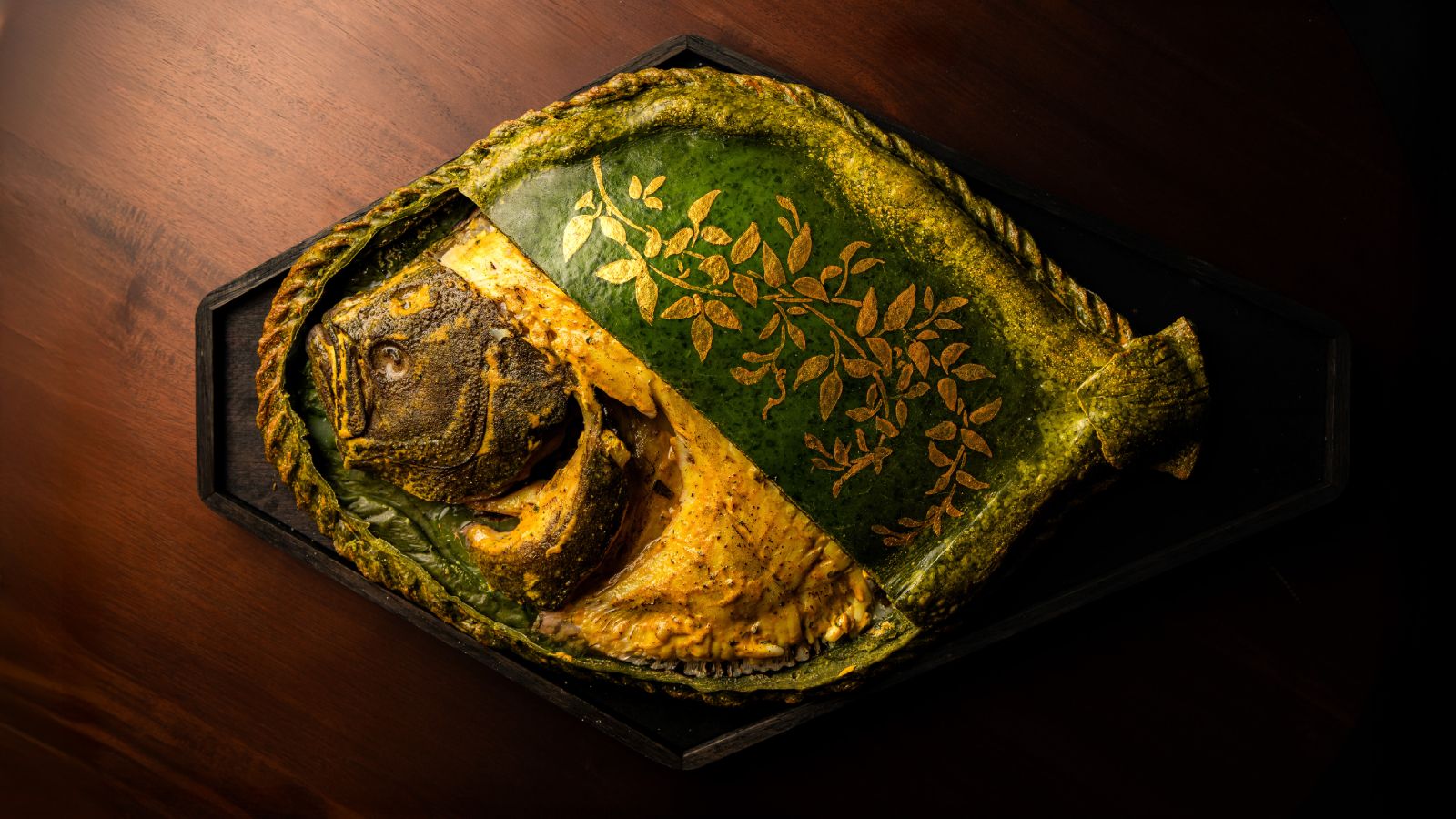
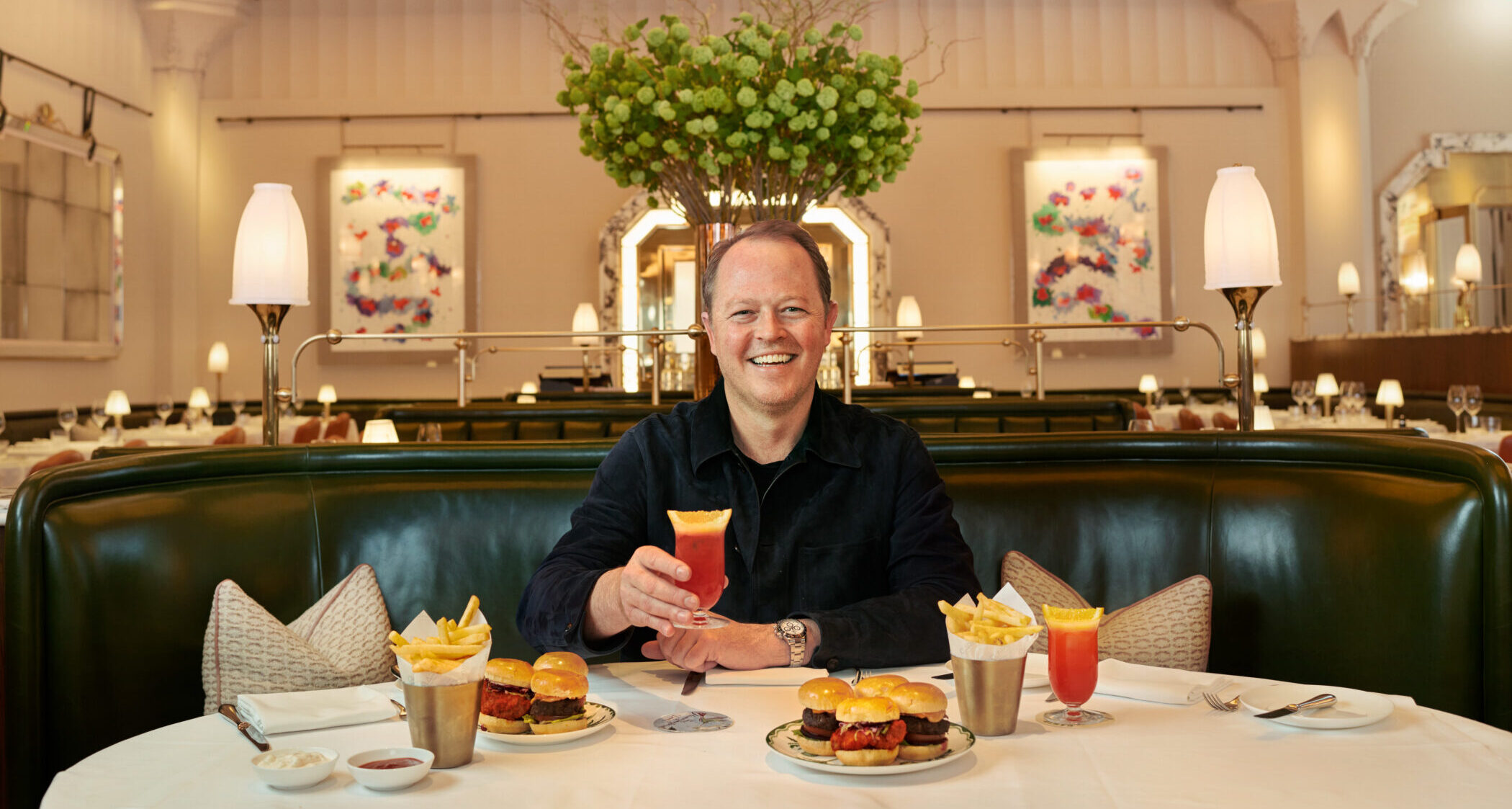
In the shadow of Berkeley Square's plane trees, where Michelin stars once glittered like diamonds in Graff's windows, something unsettling is stirring. The tables at some of Mayfair's most celebrated establishments sit conspicuously empty during what should be the golden hour of service, and the reservations that once required weeks of pleading now materialise with suspicious ease.
The British food renaissance, which transformed our culinary landscape from a punchline into a powerhouse over the past two decades, is facing its most severe test. And nowhere is this more acutely felt than in the rarefied dining rooms of W1, where the convergence of international wealth, discerning palates, and culinary ambition has long created the perfect storm for gastronomic excellence.
The Perfect Storm
The signs have been accumulating like autumn leaves on Mount Street. Rising costs, from astronomical energy bills to the sharp increase in premium ingredients, have squeezed margins to breaking point. The post-Brexit labour shortage continues to plague kitchens from Shepherd Market to Davies Street, whilst inflation has made even Mayfair's affluent clientele more selective about their dining investments.
"The mathematics simply don't work anymore," confides a veteran restaurateur whose establishments have graced Mayfair corners for over a decade. "We're seeing diners who wouldn't blink at a £200 wine bill now questioning whether they really need that second course."
This shift represents more than mere economic adjustment - it's a fundamental recalibration of how we value the dining experience. The casual £150-per-head dinners that became routine during the boom years are being scrutinised with the same intensity once reserved for acquiring a Birkin bag.
Beyond the Balance Sheet
The implications extend far beyond individual establishments. Mayfair's dining scene has long served as both barometer and beacon for British gastronomy, where international investors and culinary talents converge to create experiences that rival anything in Paris or New York. When reservations at these temples of gastronomy become readily available, it signals a broader reconsideration of luxury spending priorities.
The ripple effects are being felt from the sommelier who can no longer justify stocking that £500 Burgundy to the artisan producers in the Cotswolds whose bespoke ingredients once commanded premium prices in Mayfair kitchens. The ecosystem that supported Britain's culinary ascendancy is contracting, threatening to reverse decades of progress.
Yet this moment of reckoning also presents opportunity. The establishments that survive will likely emerge stronger, more focused, and better attuned to evolving expectations. We're already seeing innovative approaches - from more accessible prix fixe menus at traditionally haute cuisine venues to creative partnerships that share costs and expertise.
The Path Forward
Smart operators are adapting with characteristic British pragmatism. Some are embracing shorter menus that maximise ingredient efficiency, whilst others are exploring hybrid models that blend fine dining with more casual accessibility. The key lies in maintaining excellence whilst acknowledging new economic realities.
For Mayfair's discerning diners, this period offers unprecedented access to experiences that were previously the preserve of the ultra-elite. The silver lining to this cloud may well be a more democratic - though no less refined - dining landscape.
As we navigate these choppy waters, one thing remains certain: British cuisine's fundamental transformation from mundane to magnificent cannot be undone. The question now is whether we can preserve the best of what we've built whilst adapting to a more challenging future. In Mayfair's elegant dining rooms, that answer is being written one service at a time.