In the rarefied world of Mayfair dining, where a single table at Sketch can command more than most people's weekly salary, the pursuit of culinary excellence has long been measured by those coveted Michelin stars. Yet at a recent industry gathering during SXSW London, three of the most influential voices in fine dining delivered a rather provocative message: perhaps it's time to reconsider our obsession with the red guide.
The panel, featuring legendary chef Marco Pierre White alongside Adrian Choa and Michael Boccalini, didn't merely discuss the mechanics of achieving Michelin recognition - they fundamentally questioned whether the pursuit remains relevant in today's evolving culinary landscape. For those who frequent the sophisticated establishments dotting Berkeley Square or the innovative kitchens hidden along Mount Street, this conversation strikes at the very heart of what defines exceptional dining.
The Gilded Cage of Recognition
"It pigeonholes chefs," was the stark assessment delivered during the discussion, a sentiment that will undoubtedly resonate through the kitchens of Mayfair's most celebrated restaurants. Consider the pressure facing the culinary teams at establishments like The Greenhouse on Hay's Mews or Fera at Claridge's - venues where every plate must justify not only its premium pricing but also its position within the neighbourhood's gastronomic hierarchy.
This critique comes at a particularly fascinating moment for Mayfair's dining scene. The area has witnessed an unprecedented evolution in recent years, with everything from elevated pub fare at The Punch Bowl to the theatrical presentations at Park Chinois redefining what constitutes exceptional hospitality. Yet the Michelin framework, with its traditional emphasis on technique and service, may struggle to capture the full spectrum of this culinary renaissance.
Beyond the Stars
What makes this debate particularly compelling for Mayfair's discerning diners is the suggestion that the most meaningful culinary experiences might exist entirely outside the Michelin paradigm. White's perspective, informed by decades at the apex of fine dining, suggests that true innovation flourishes when chefs are liberated from the constraints of pursuing external validation.
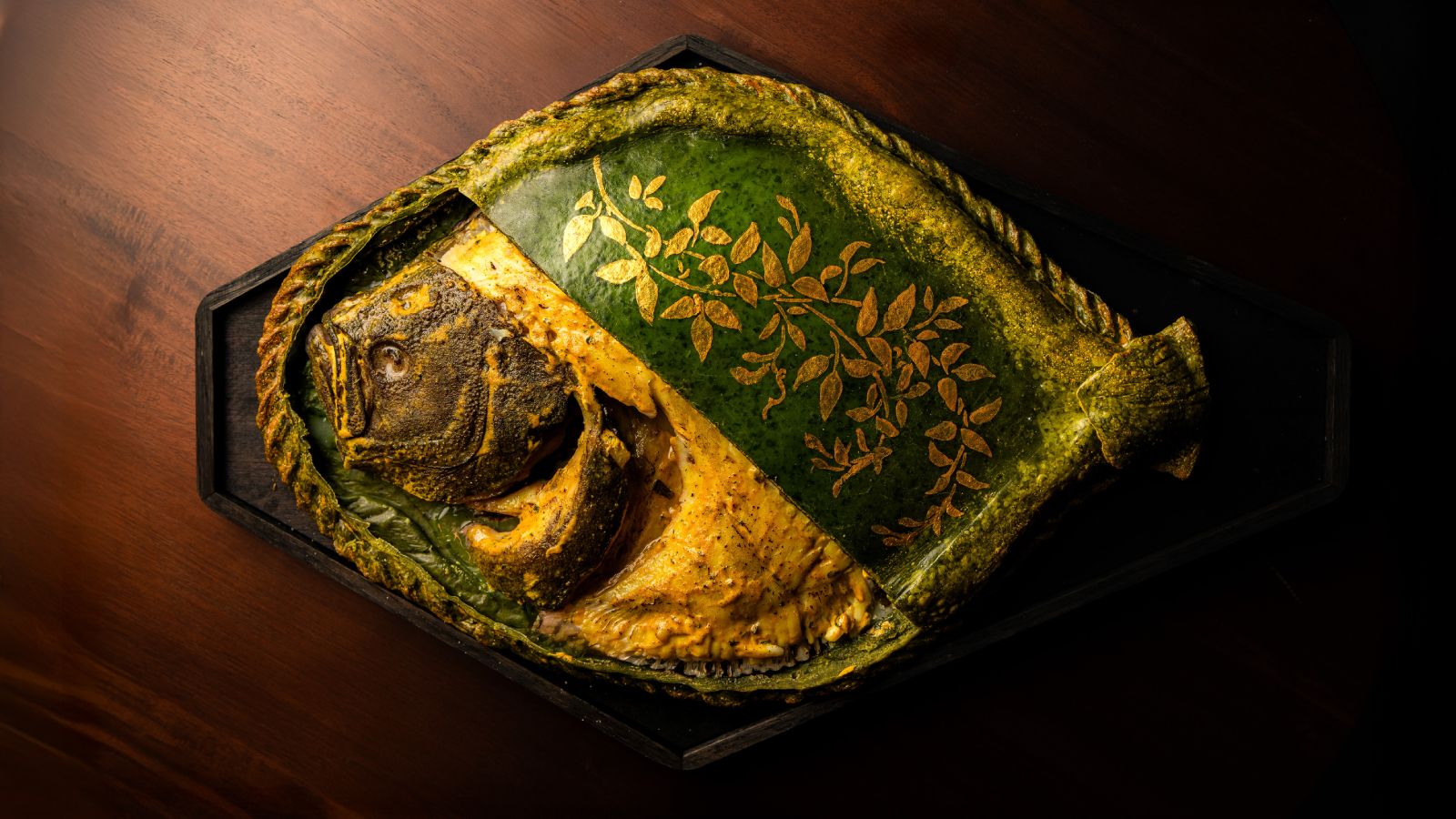
This philosophy already manifests in several of Mayfair's most intriguing establishments. The intimate counter dining at Benares on Berkeley Square, for instance, offers an experience that transcends traditional categorisation, blending theatrical presentation with deeply personal storytelling. Similarly, the seasonal menus at establishments along Dover Street reflect a more fluid approach to fine dining - one that prioritises authentic expression over adherence to established formulas.
The Economics of Excellence
For the affluent clientele that defines Mayfair's dining culture, this conversation raises intriguing questions about value and expectation. When a meal at Alain Ducasse at The Dorchester commands several hundred pounds, diners naturally seek assurance of quality. Yet if the industry's most respected voices suggest that Michelin recognition may actually constrain rather than enhance creativity, perhaps it's time to reconsider how we evaluate culinary excellence.
The "feast or famine" reality described by the panel reflects a broader truth about Mayfair's restaurant landscape. Establishments here operate under extraordinary pressure - astronomical rents, sophisticated clientele, and intense competition create an environment where success demands more than just exceptional food. It requires a complete reimagining of what hospitality can achieve.
A New Paradigm
As Mayfair continues to attract the world's most ambitious culinary talents, this conversation about moving beyond traditional recognition systems feels particularly timely. The neighbourhood's dining scene has always been about more than food - it's about creating experiences that justify the investment of both time and considerable expense.
Perhaps the most sophisticated diners are already ahead of this curve, seeking out experiences based on personal recommendation, innovative concepts, or simply the pleasure of discovery rather than external validation. In a neighbourhood where exclusivity and authenticity command premium value, the freedom to pursue culinary vision without constraint may prove to be the ultimate luxury.
For those who call Mayfair home or consider it their preferred destination for exceptional dining, this industry debate offers a fascinating glimpse into the future of fine dining - one where creativity, rather than conformity, defines true excellence.