Alison Jacques
Gallery
Alison Jacques
Cork Street · Green Park
Art gallery with an international programme of estates and contemporary artists, at 22 Cork Street.
The Directory
Commercial galleries, auction houses and cultural institutions, from Cork Street and Dover Street to the Royal Academy.
28 venues
Cork Street · Green Park
Art gallery with an international programme of estates and contemporary artists, at 22 Cork Street.
Mayfair · Oxford Circus
London space of the contemporary art gallery Almine Rech, on St George Street by Hanover Square.
Mayfair · Bond Street
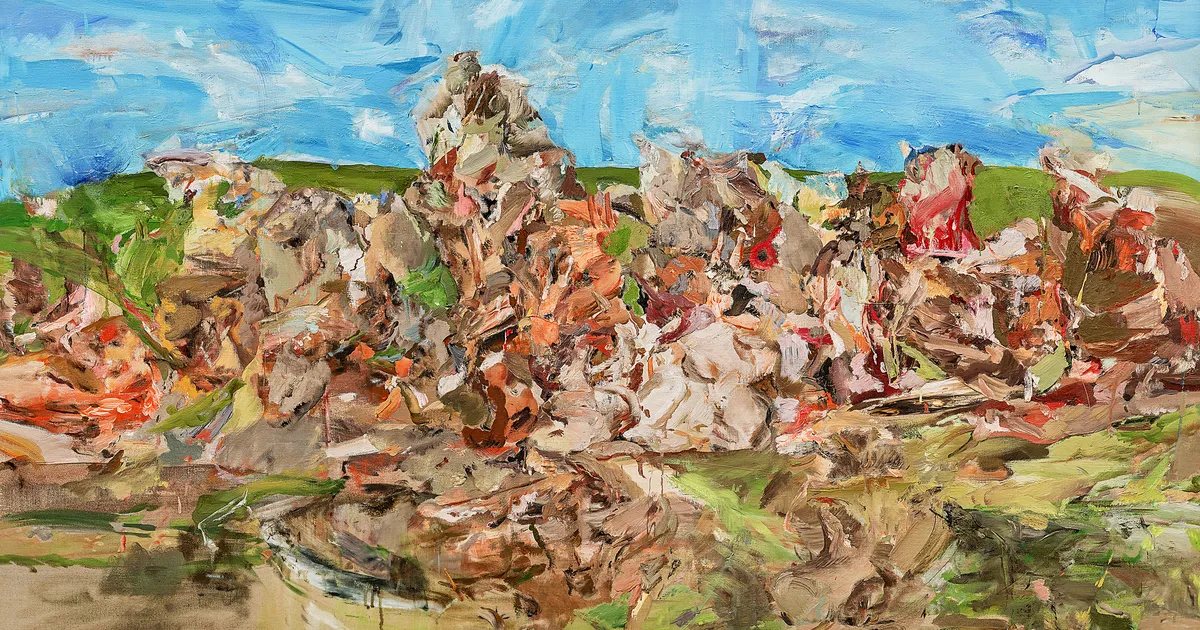
Modern and contemporary art gallery with spaces in London, Hong Kong and New York.
Bond Street · Bond Street
Auction room of the fine art auctioneers and valuers Bonhams on New Bond Street.
Mayfair · Green Park
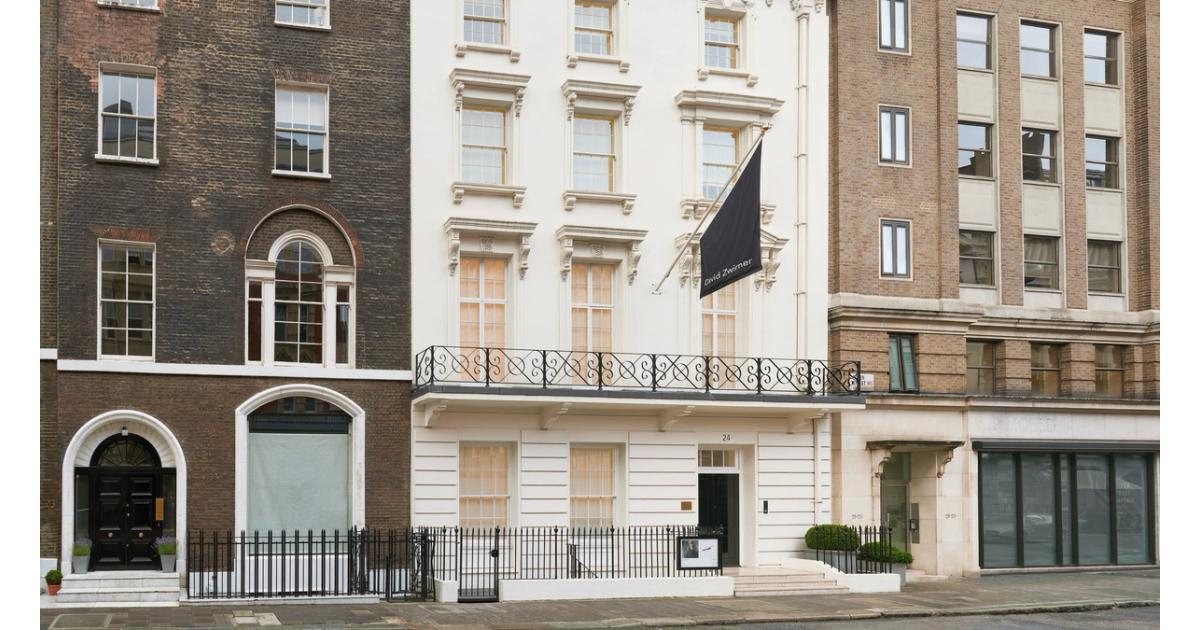
London space of the international contemporary art gallery David Zwirner, located at 24 Grafton Street.
Cork Street · Green Park
Contemporary art gallery established in 1970 by Angela Flowers, with London locations in Mayfair and Shoreditch.
Mayfair · Green Park
Galerie Max Hetzler shows contemporary art from 41 Dover Street, its London space. The gallery also has spaces in Berlin, Paris and Marfa, Texas, so the Mayfair address is one part of a wider international network. Worth a look if you are on Dover Street and curious to see what a gallery with that reach is showing.
Mayfair · Green Park
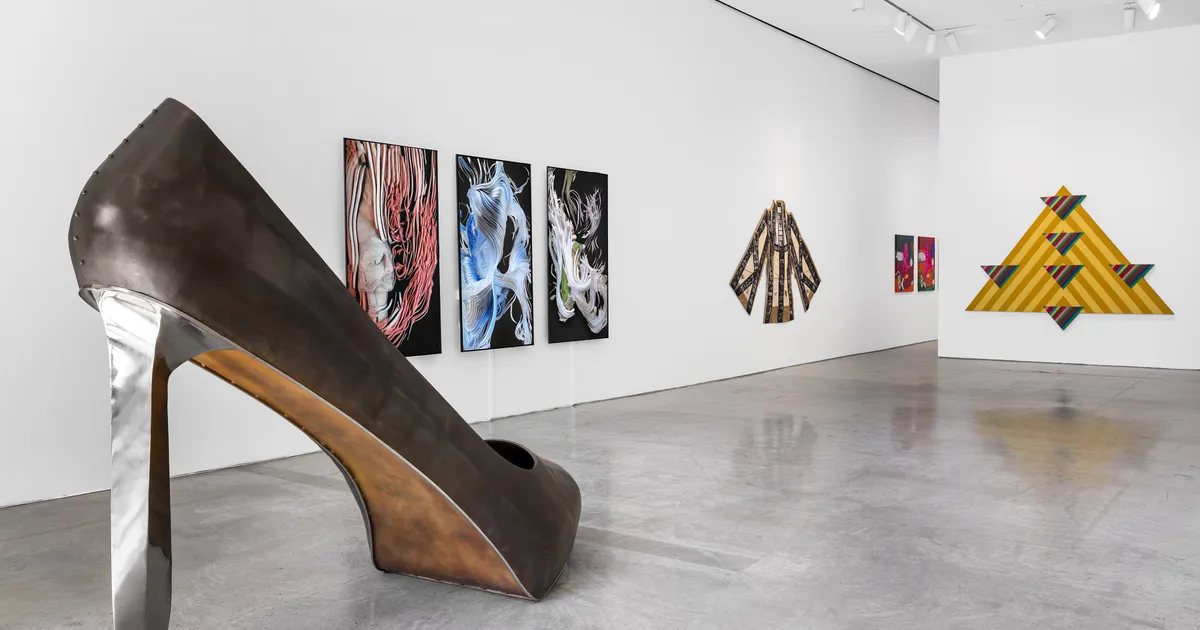
Gallery representing artists and estates from Post-War movements to digital practice, with spaces in London, New York and Baku.
Bond Street · Oxford Circus
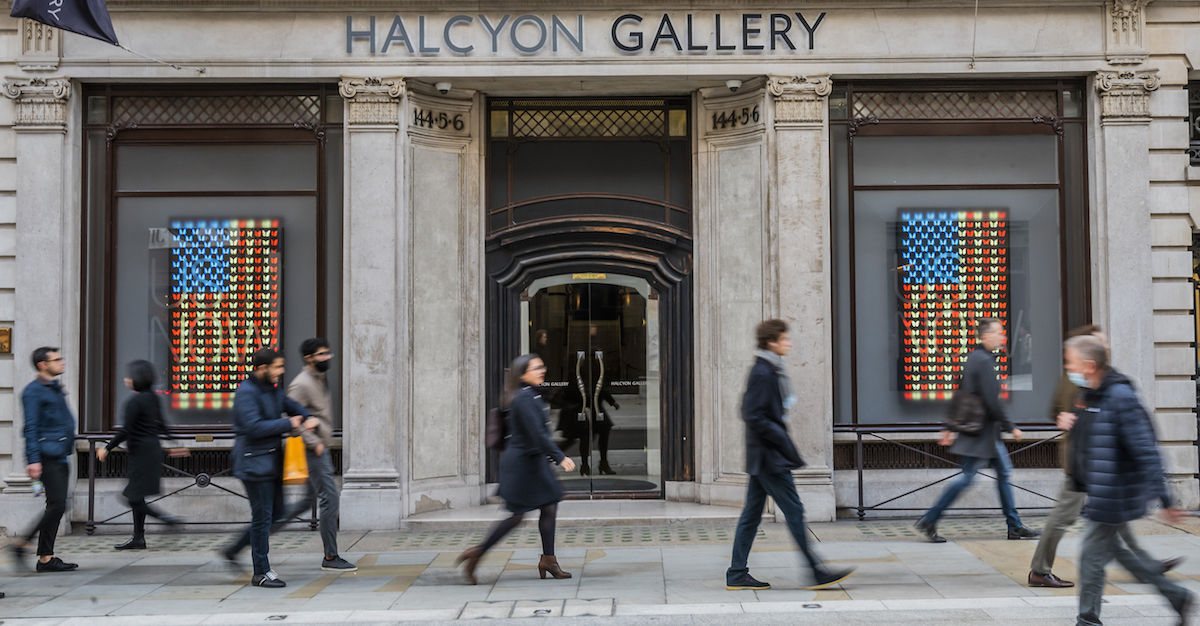
Halcyon Gallery has shown modern and contemporary art since 1982, and you will find it at 148 New Bond Street. More than four decades on, it is an easy one to drop into while walking the street, particularly if your taste runs to the modern rather than the old masters.
Mayfair · Bond Street
Photography gallery specialising in the sale of photographs from the mid twentieth century onward.
Mayfair · Bond Street
Museum in the neighbouring homes of composer George Frideric Handel and guitarist Jimi Hendrix on Brook Street.
Savile Row · Green Park
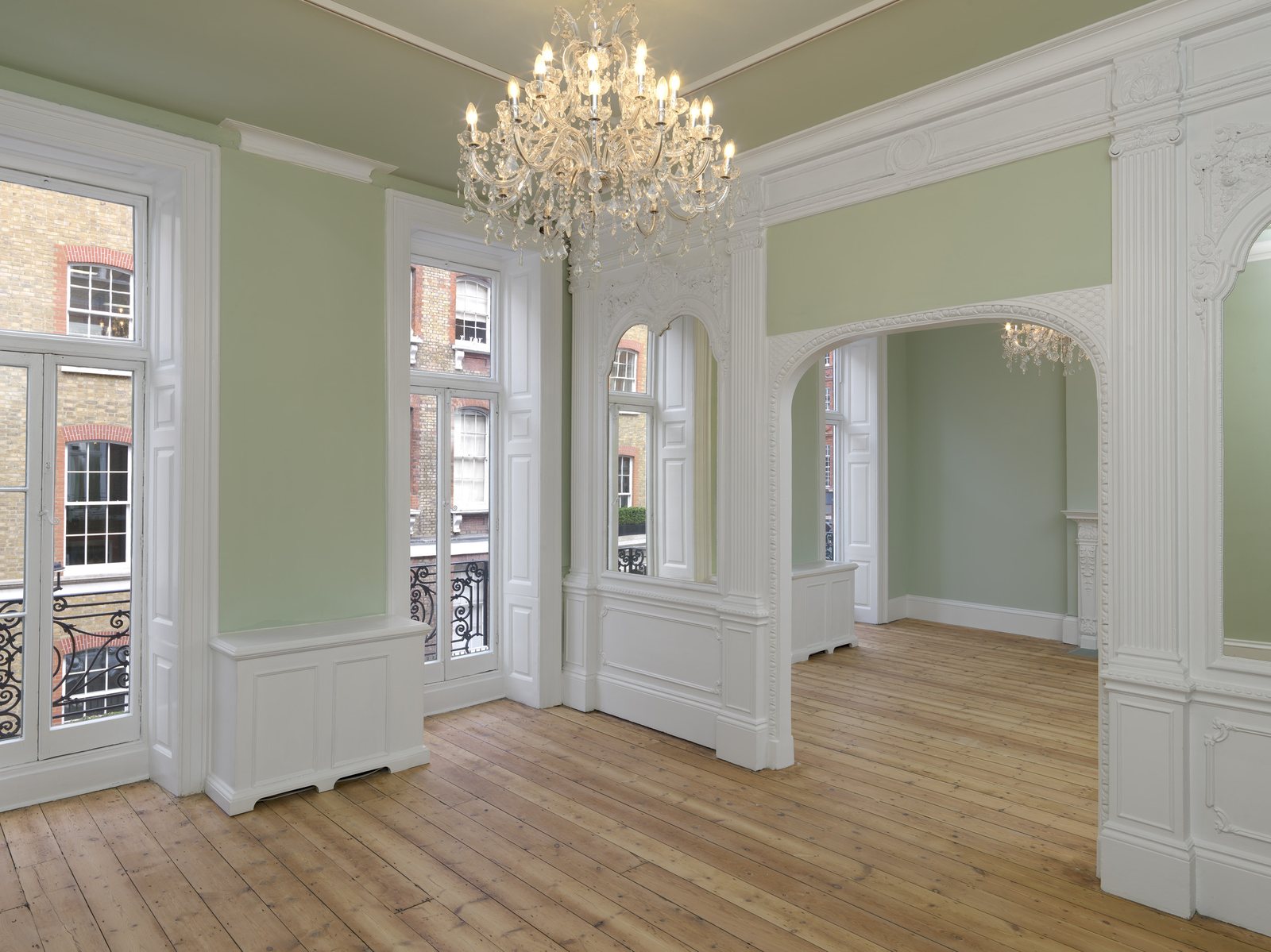
Contemporary art gallery founded in 1987, with a London space at 16 Clifford Street.
Bond Street · Green Park
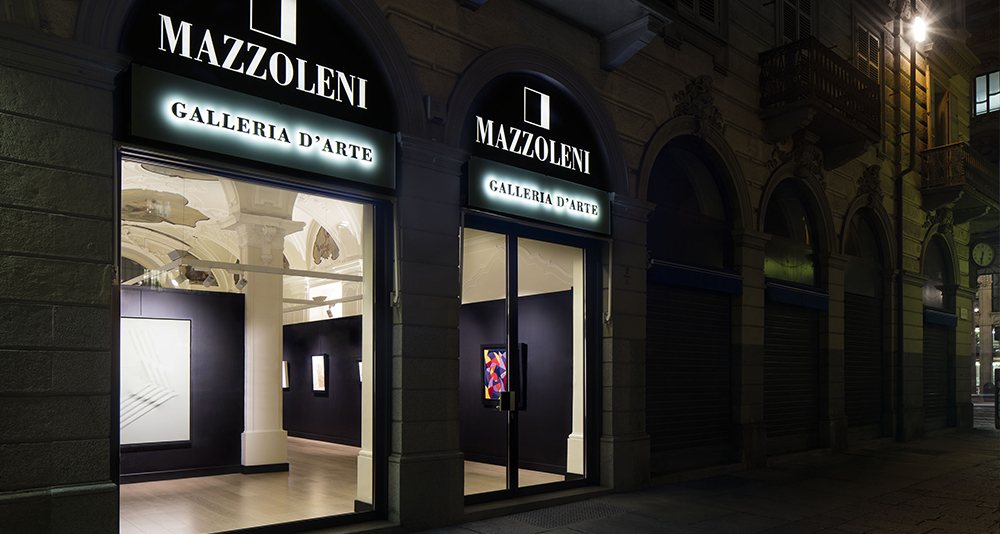
Modern and contemporary art gallery founded in Turin in 1986, with spaces in Turin, London and Milan.
Mayfair · Oxford Circus
Contemporary art gallery representing artists and estates of the 20th and 21st centuries, with a London space on Hanover Square.
Berkeley Square · Bond Street
London galleries and saleroom of the auction house Phillips, holding sales and exhibitions on Berkeley Square.
Savile Row · Piccadilly Circus
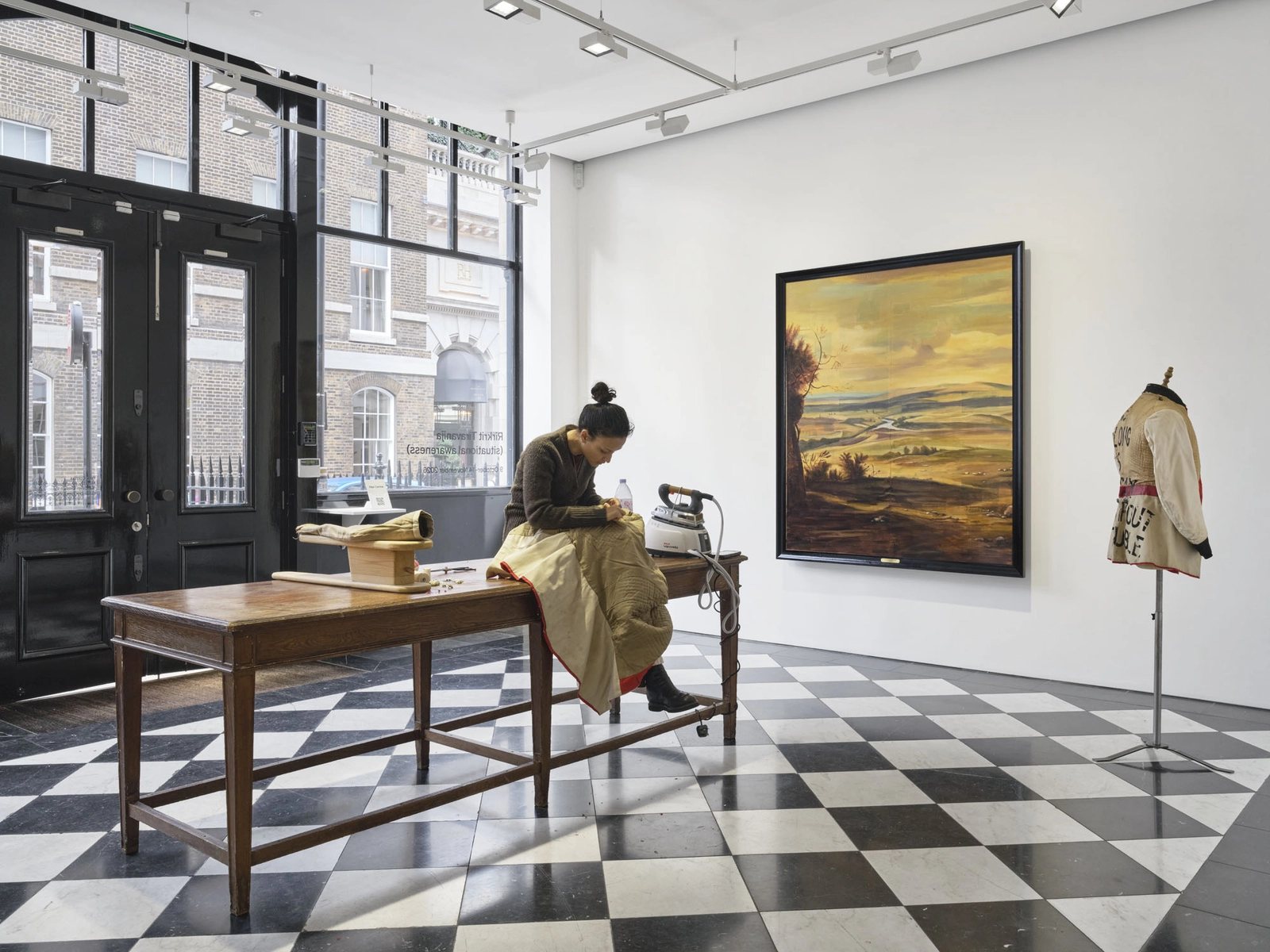
Contemporary art gallery with two London spaces, at 2 Savile Row and 51 Conduit Street.
Bond Street · Oxford Circus
Family-run art gallery on New Bond Street, dealing in paintings for four generations.
Savile Row · Oxford Circus
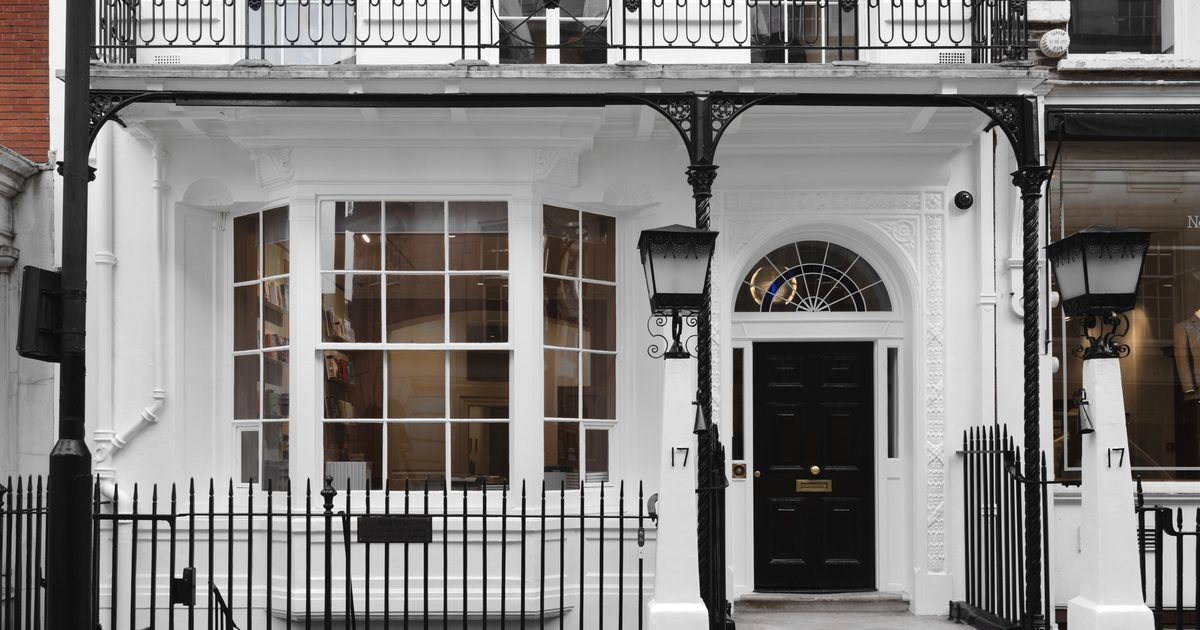
Sadie Coles HQ is a contemporary art gallery, and its Mayfair space is at 17 Savile Row. The gallery also runs two further London spaces, at 62 Kingly Street and at 8 Bury Street SW1Y. If you are already in Mayfair, Savile Row is the easy one to drop into.
Mayfair · Green Park
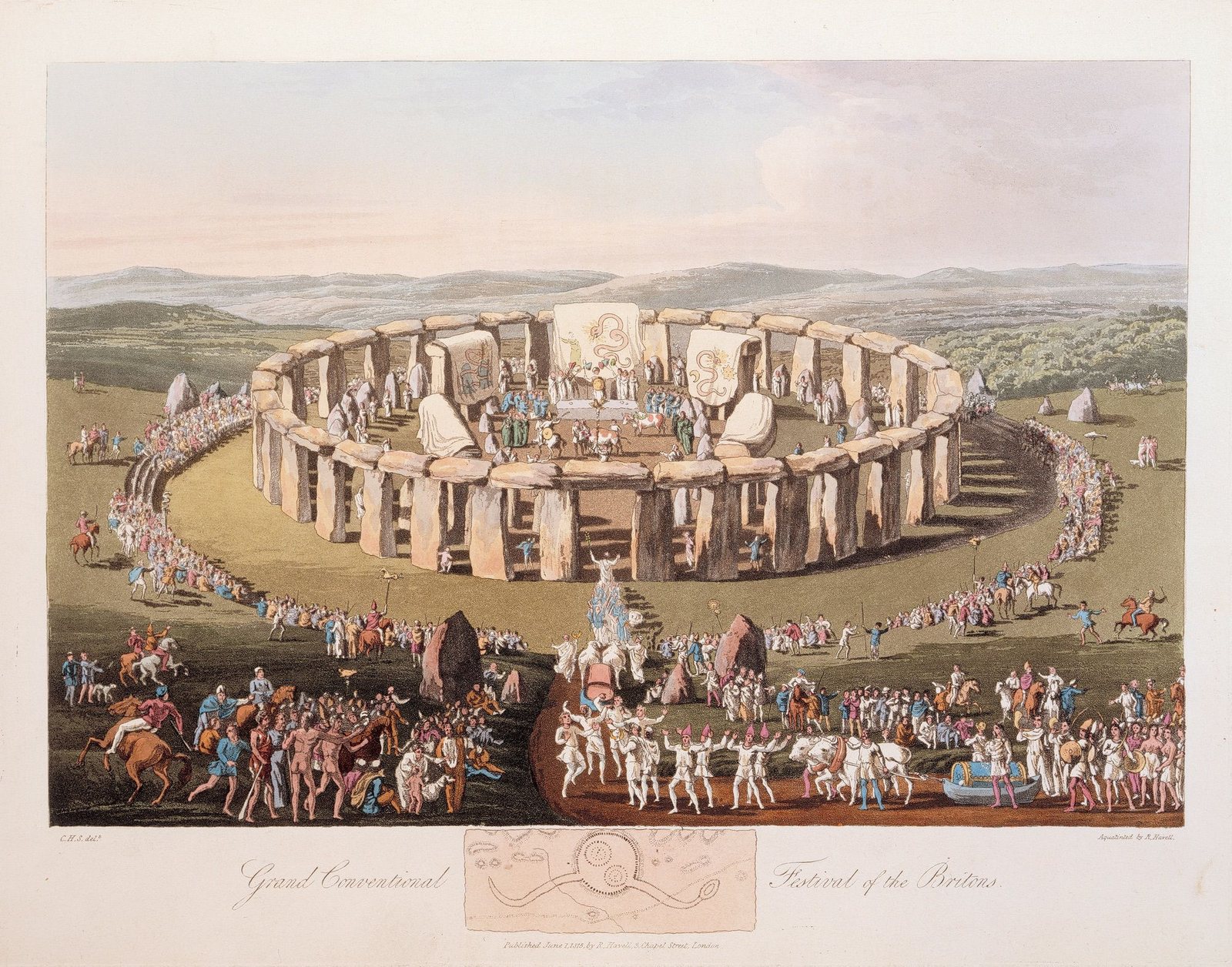
Learned society for the study of the material past, based at Burlington House on Piccadilly.
Mayfair · Green Park
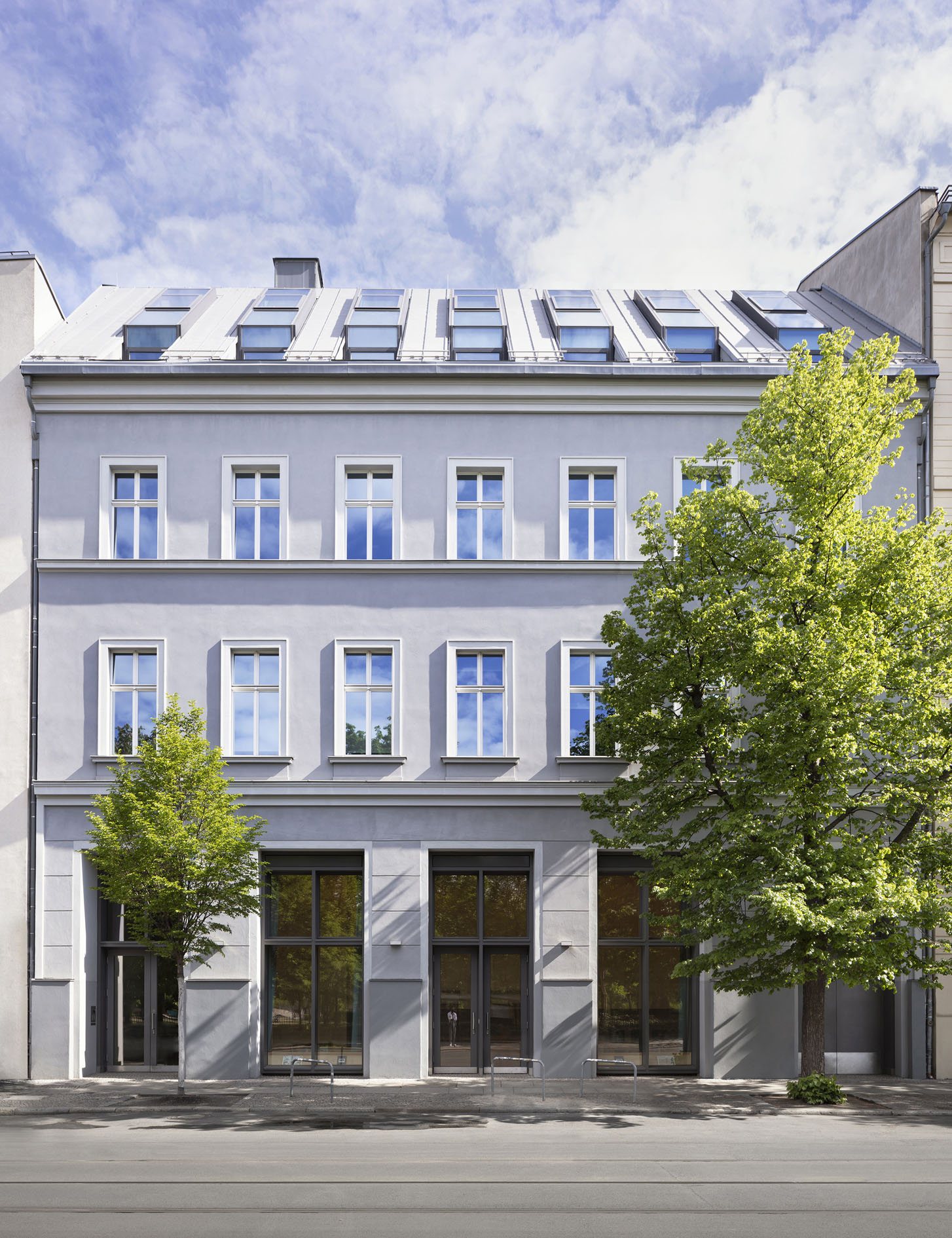
On Grafton Street, Sprüth Magers shows modern and contemporary art from its London space at number 7A. It is one branch of an international gallery with spaces in Berlin, Los Angeles and New York, and a presence in Hong Kong and Seoul. Drop in when you are making the rounds of the Mayfair galleries.
Mayfair · Green Park
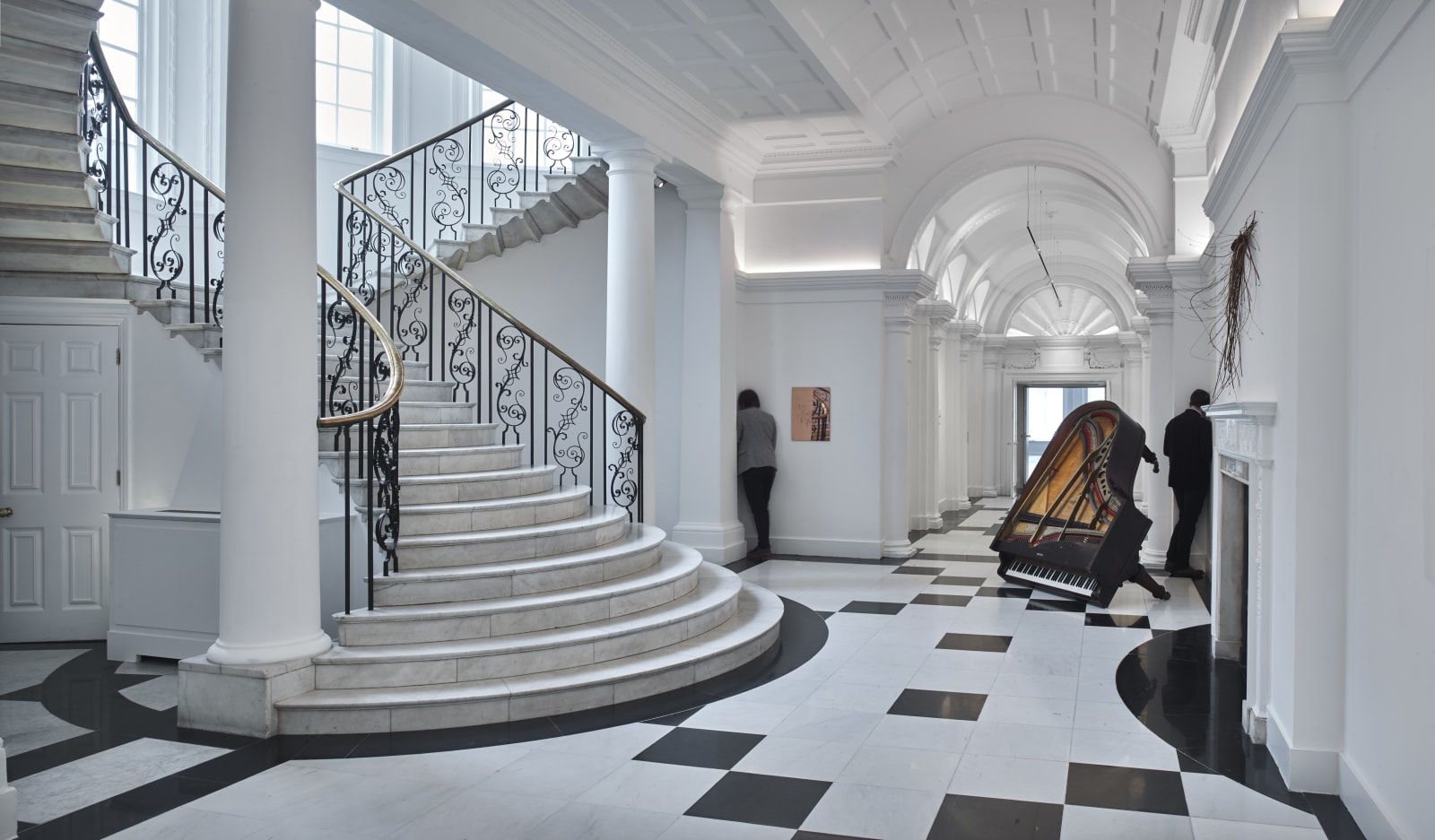
Thaddaeus Ropac's London outpost occupies Ely House at 37 Dover Street, part of a gallery founded in 1983. The wider family now spans London, Paris, Salzburg, Seoul and Milan, where Palazzo Belgioioso opened in 2025. Worth slipping in whenever you find yourself on Dover Street.
Mayfair · Green Park
Learned society for the Earth sciences, based at Burlington House on Piccadilly.
Berkeley Square · Green Park
Private members' club at 9 Fitzmaurice Place off Berkeley Square, also hosting weddings, meetings and events.
Mayfair · Green Park
Biological society founded in 1788, based at Burlington House on Piccadilly.
Mayfair · Green Park
Science charity at 21 Albemarle Street, home to the Faraday Museum and a programme of public talks and events.
Mayfair · Green Park
Contemporary art gallery with a London space at 15 Bolton Street, Mayfair.
Mayfair · Oxford Circus
Unit London is a contemporary art gallery at 3 Hanover Square, founded on the belief that art should be for everyone. That idea is the point of the place: contemporary work shown in a gallery that sets out to welcome all comers. For now the Hanover Square space is temporarily closed because of construction works next door, so check before you go.
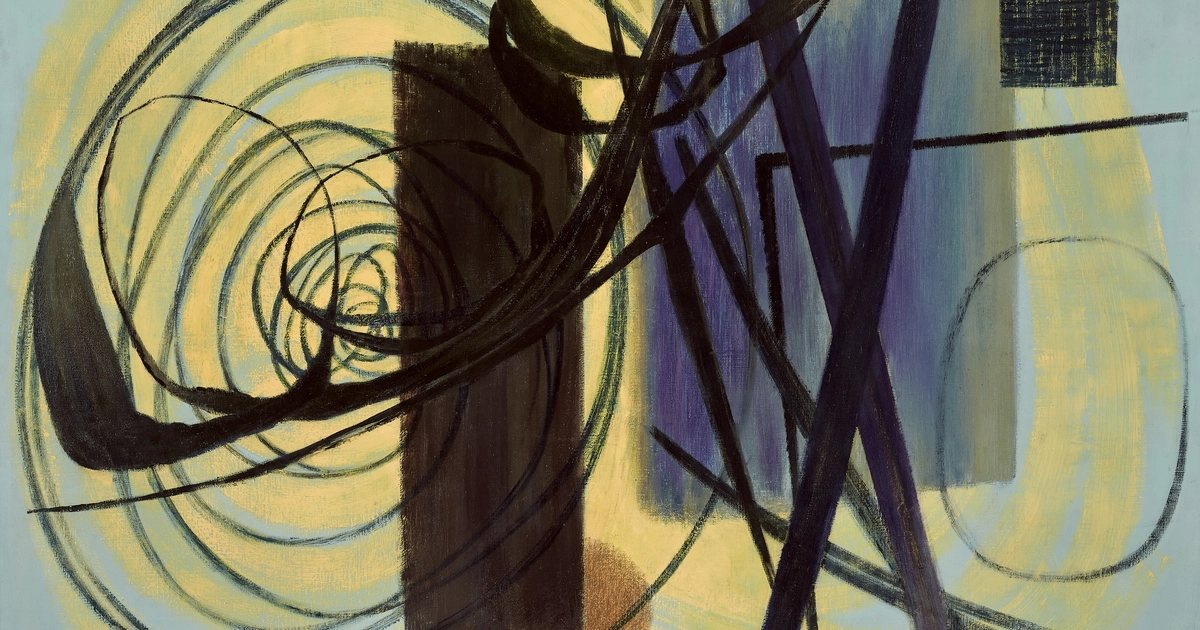
Cork Street · Green Park
Gallery dealing in modern and contemporary painting, sculpture and works on paper.
Is your business in galleries & culture?
Be listed in the directory