Anderson & Sheppard
Tailor
Anderson & Sheppard
Mayfair · Green Park
Bespoke tailor making men's suits in the English drape style since 1906, based on Old Burlington Street.
The Directory
Tailors, jewellers, boutiques and the flagship houses of Bond Street, Savile Row, Mount Street and the Burlington Arcade.
31 venues
Mayfair · Green Park
Bespoke tailor making men's suits in the English drape style since 1906, based on Old Burlington Street.
Mayfair · Green Park
Jewellery and silver house with its London store at 36 Bruton Street in Mayfair.

Bond Street · Green Park
Jeweller established in 1798, selling diamond and gemstone jewellery from its Old Bond Street shop.
Bond Street · Oxford Circus
Breitling watch boutique on New Bond Street offering watches, bracelets and personal advice.
Mayfair · Bond Street
British watch brand's Mayfair boutique, where in-store specialists help clients choose a watch.
Mayfair · Oxford Circus
British clothing and leather goods brand founded in 1878, with its shop on Clifford Street in Mayfair.
Mayfair · Piccadilly Circus
Clothing shop at 19 Piccadilly, trading as Cordings of Piccadilly.
Savile Row · Green Park
Bespoke tailor on Savile Row, open on weekdays with Saturday visits by appointment.
Savile Row · Piccadilly Circus
Dege & Skinner has been a bespoke tailor on Savile Row since 1865, and it still trades from Number 10. It makes shirts as well as tailoring, so a single commission can cover the jacket and what goes beneath it. Come unhurried: this is a house with more than a century and a half of practice behind it.
Savile Row · Piccadilly Circus
Maker and haberdasher of shirts, ties and accessories, with its London shop at 9 Savile Row.
Savile Row · Green Park
Tailor making men's and women's tailoring since 1969, now based at 35 Savile Row.
Savile Row · Green Park
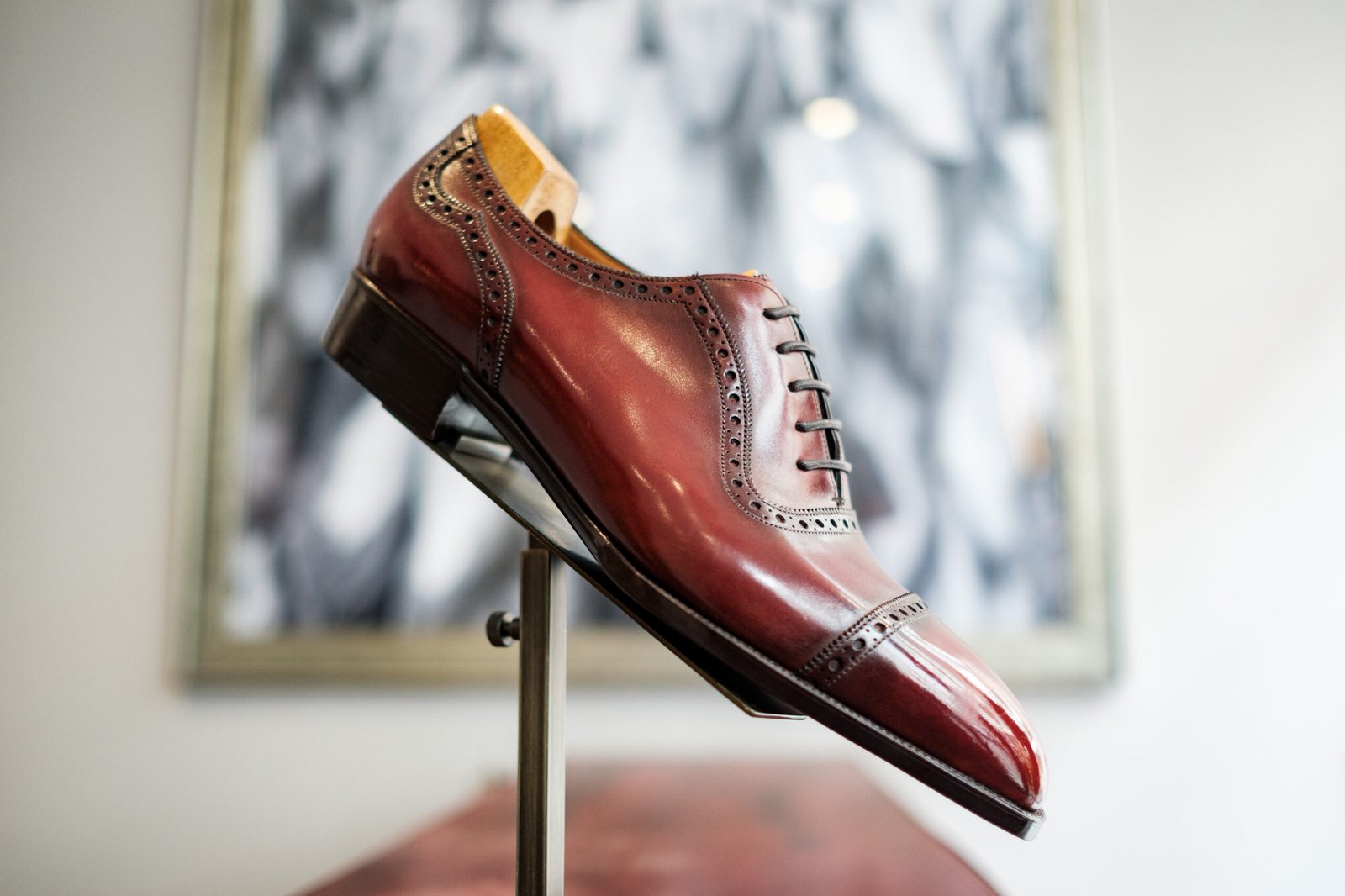
Shoemaker offering bespoke, made-to-order and ready-to-wear shoes from its Savile Row store.
Bond Street · Green Park
Shoemaker selling bespoke and ready-to-wear shoes from its shop in the Royal Arcade off Old Bond Street.
Savile Row · Oxford Circus
Savile Row tailor since 1771 offering bespoke, made-to-measure and ready-to-wear suits, shirts and accessories for men, plus military tailoring.
Savile Row · Oxford Circus
Savile Row tailor making hand-made bespoke suits, which also holds trunk shows for clients around the world.
Mayfair · Green Park
Mayfair bookshop selling old, new and antiquarian books since 1936.
Savile Row · Piccadilly Circus
Savile Row bespoke tailor since 1849, making suits, coats and jackets to each client's measurements, with a second shop in New York.

Mayfair · Bond Street
Diamond jeweller whose flagship is a 19th-century townhouse on Carlos Place in Mayfair.
Mayfair · Green Park
Antiquarian bookseller established in 1853, with premises in Mayfair and Bloomsbury.
Berkeley Square · Bond Street
Marcus is a haute horlogerie boutique at 27 Berkeley Square, and its draw is the stock itself: rare and unique watches. This is a place for serious looking rather than a quick browse, so come with time and a clear sense of what interests you.
Mayfair · Green Park
Clothing brand whose flagship store is at 37-39 Burlington Arcade, with a second Mayfair shop at 23 Brook Street.
Savile Row · Oxford Circus
Norton & Sons is a bespoke tailor at 16 Savile Row, the Mayfair street synonymous with tailoring. Bespoke means the work starts with you rather than a rail: a garment cut and made for one person. Come when you are ready to commission something that is properly your own.
Bond Street · Green Park
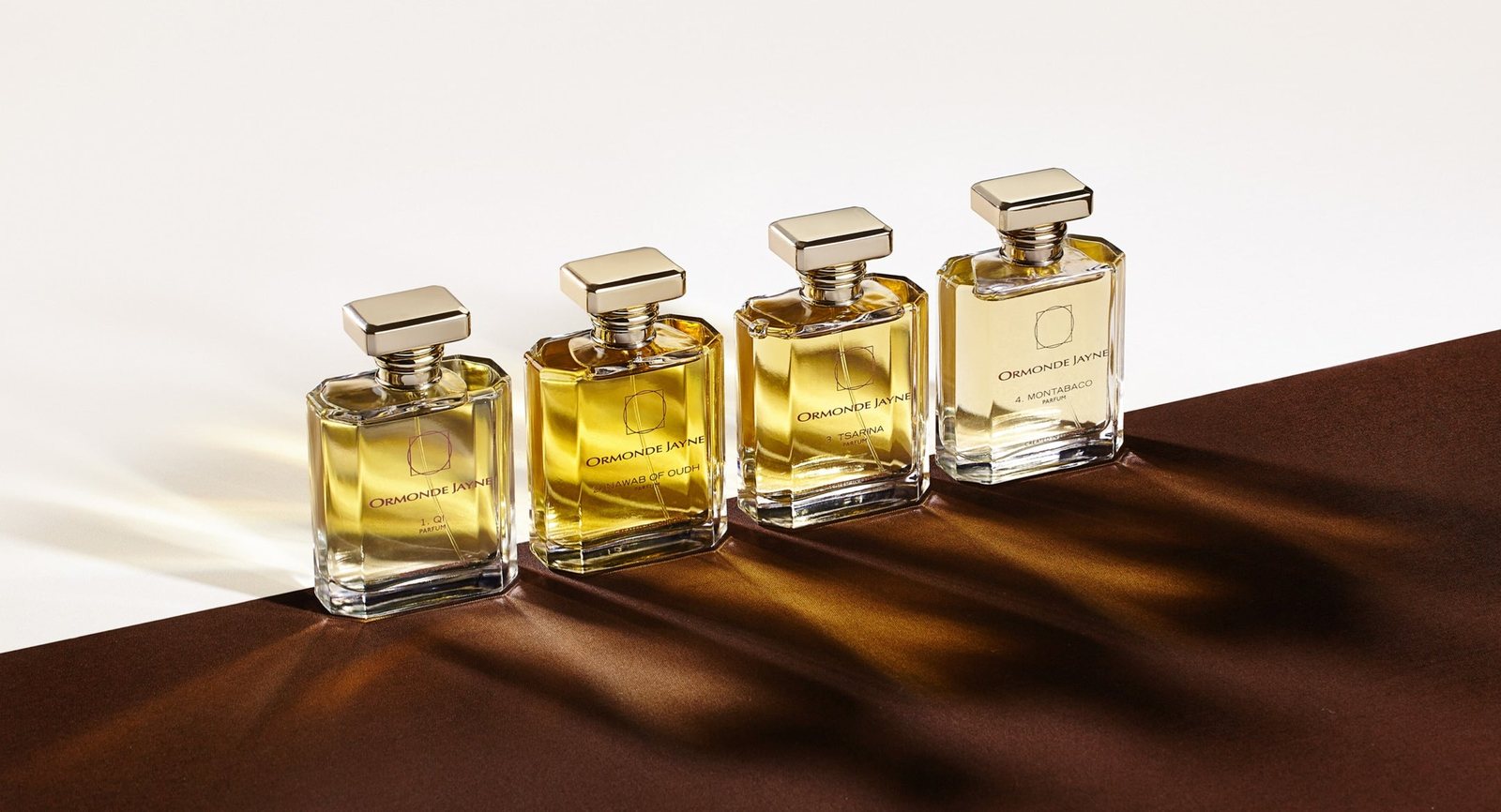
British perfume house whose flagship boutique is in the Royal Arcade on Old Bond Street.
Bond Street · Green Park
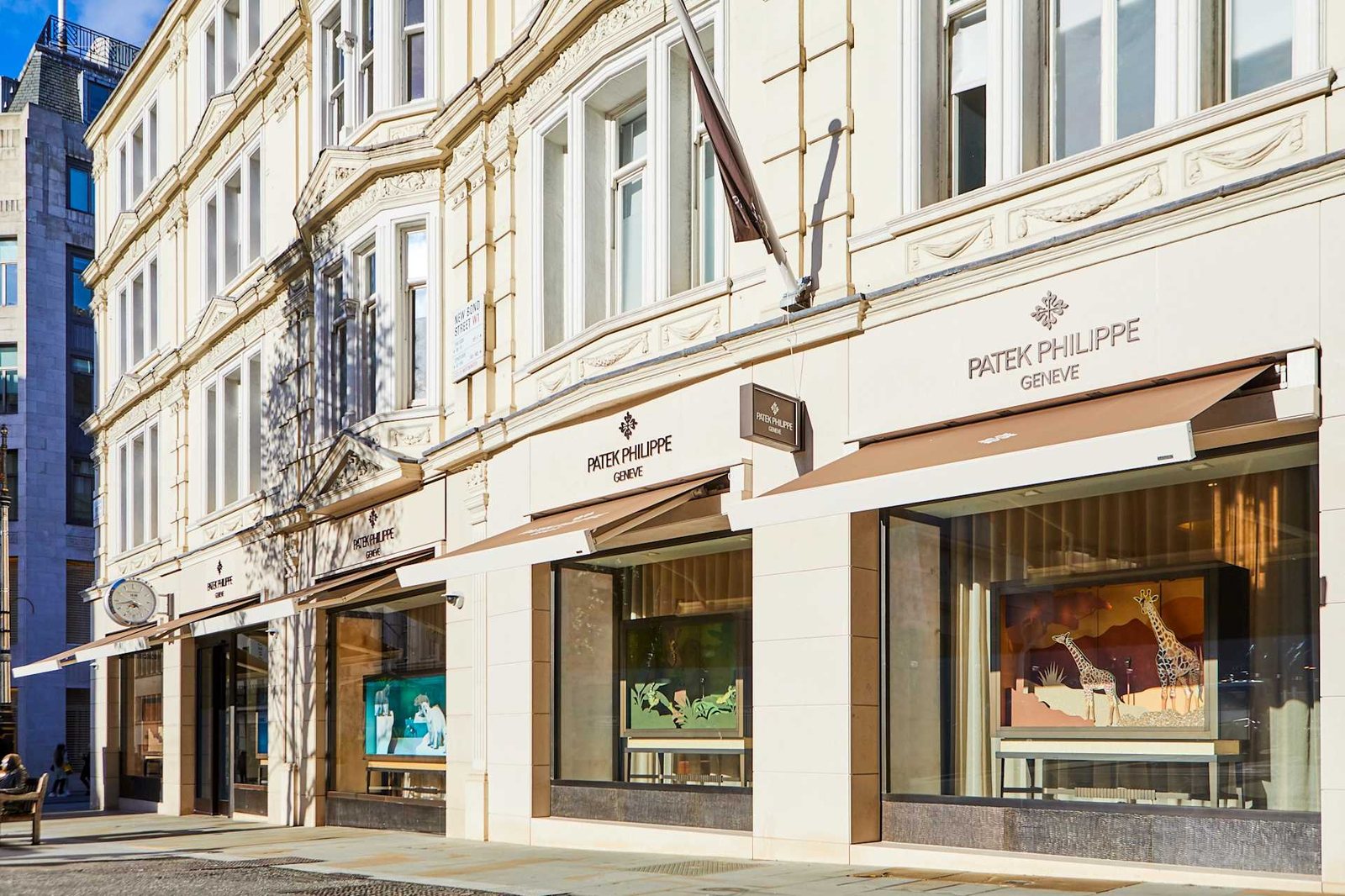
Patek Philippe's own London salon on New Bond Street, selling the brand's watches.
Mayfair · Green Park
Peter Harrington is a rare book dealer at 43 Dover Street, the place to come for first editions and for signed and inscribed copies. Collectibles sit alongside the books, so it rewards a slow browse as much as a targeted hunt. There is a sister shop on Fulham Road in Chelsea, so make sure you are heading to the right one.
Mount Street · Bond Street
Jeweller's Mayfair showroom offering handcrafted jewellery, bespoke creations and Swiss watches from several makers.
Mayfair · Green Park
Roja Dove founded his fragrance house in Mayfair in 2011, and its boutique is at 4-5 Burlington Arcade. Go with time to spare: fragrance rewards patience, and it is worth trying a scent on the skin rather than deciding at the first spritz.
Bond Street · Bond Street
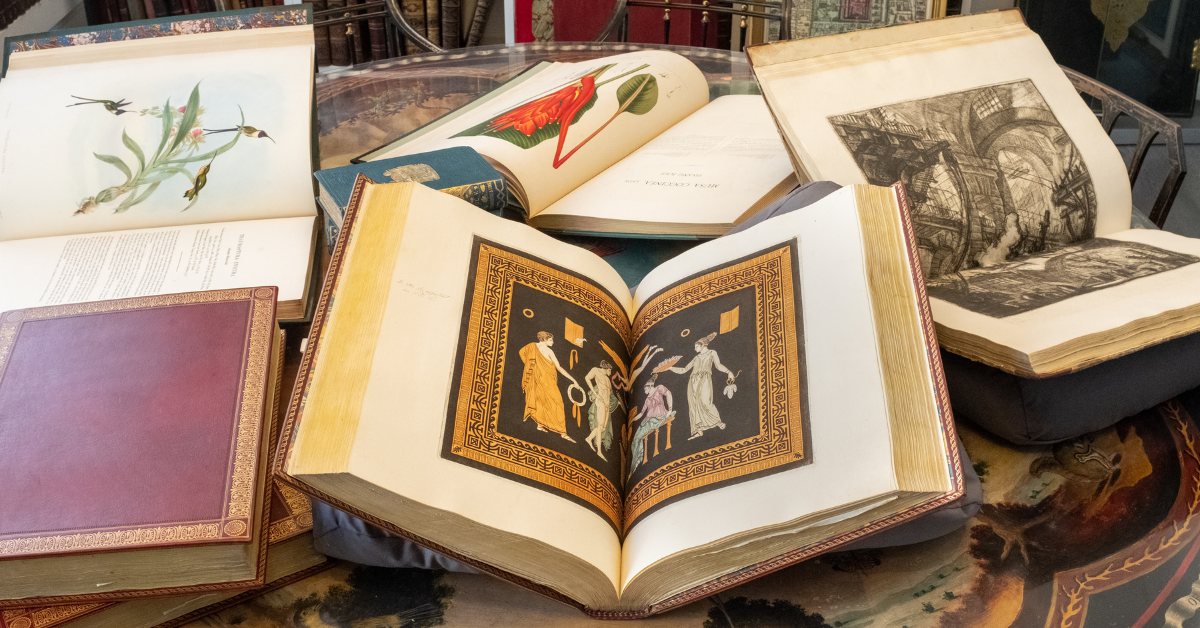
Dealer in rare and antiquarian books, signed first editions, prints, maps and art, including travel, literature and Islamic texts.
Mayfair · Green Park
British jeweller whose flagship boutique is at 12-13 Burlington Arcade.
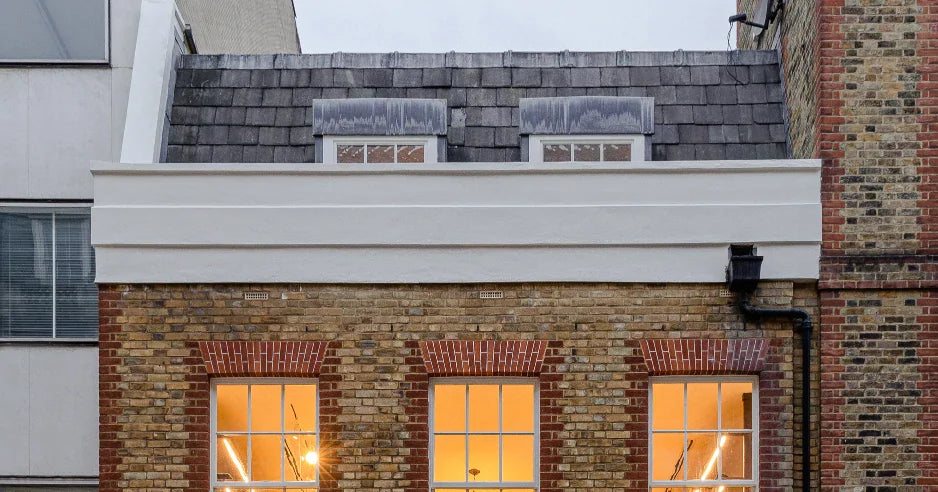
Mayfair · Green Park
British tailor making tailored and casual clothes, with its London shop on Old Burlington Street.
Mayfair · Green Park
Flagship store of the Victoria Beckham fashion label on Dover Street, where visitors can book appointments.
Is your business in fashion & retail?
Be listed in the directory