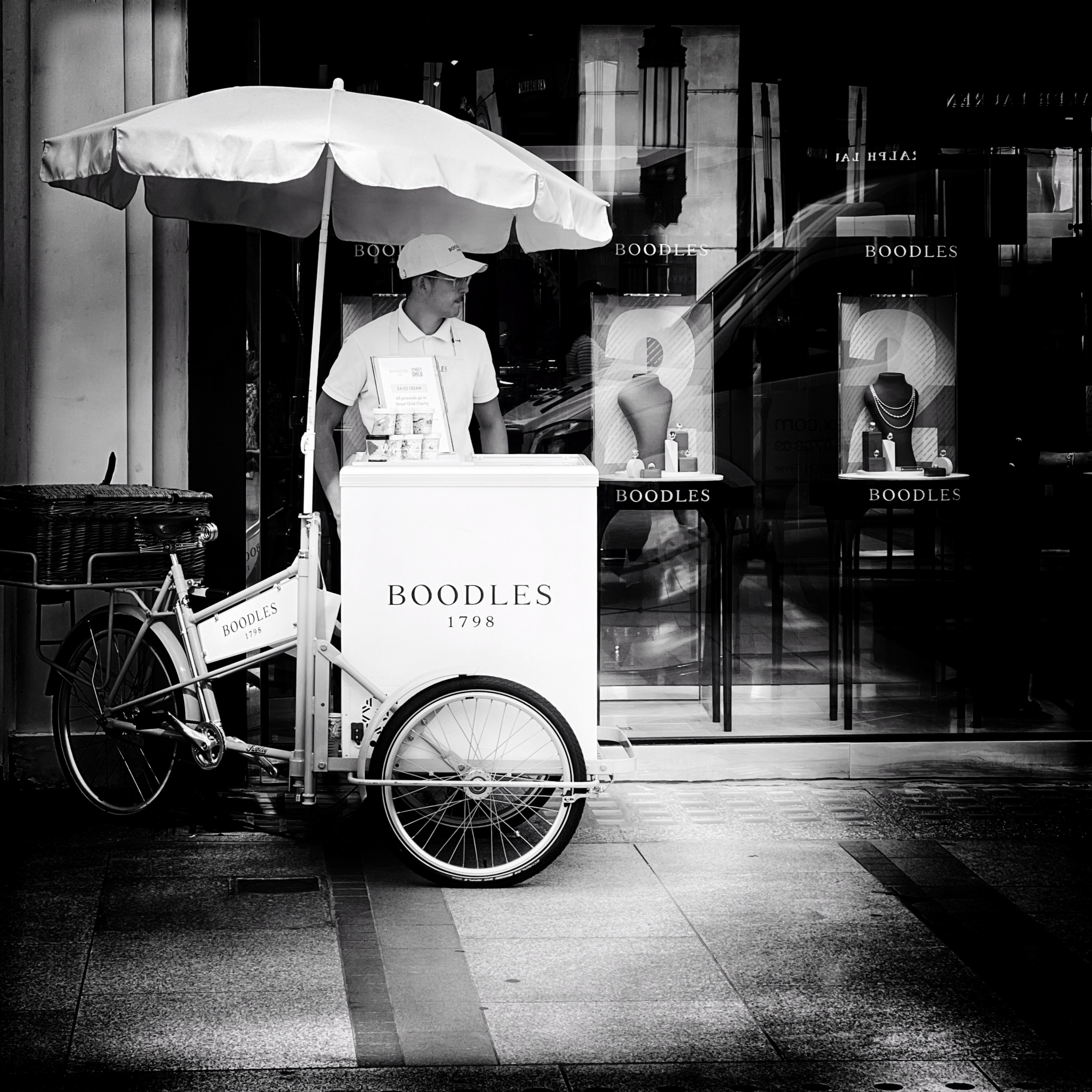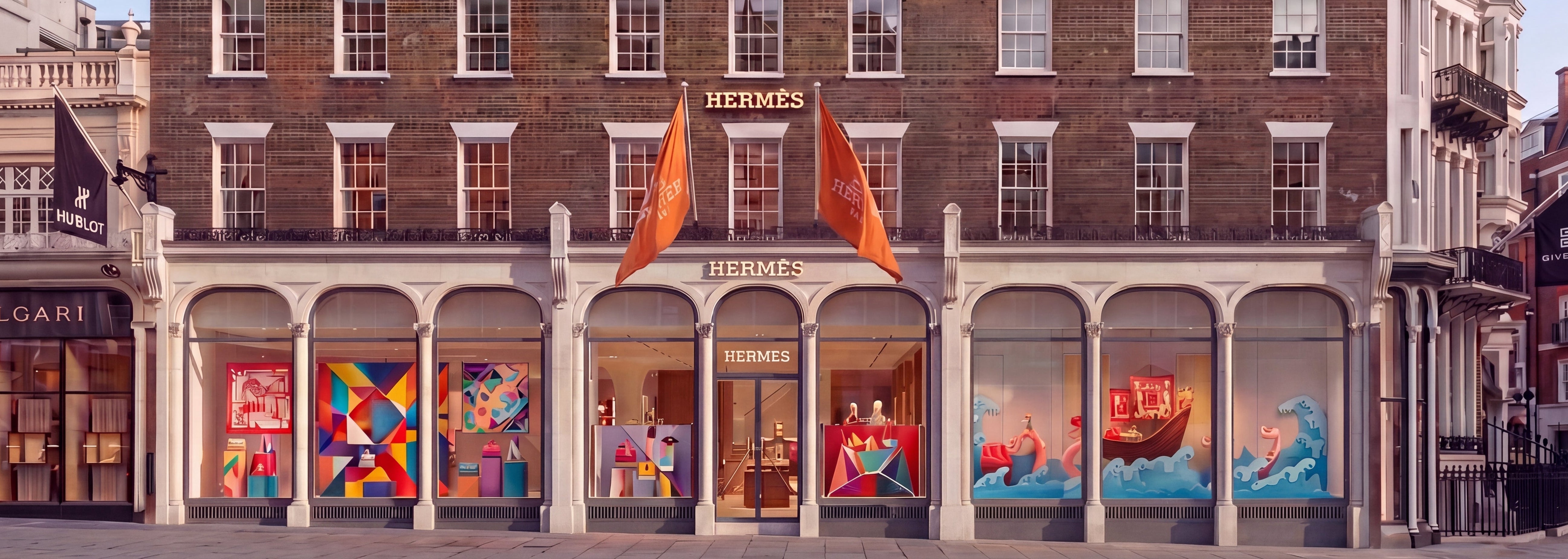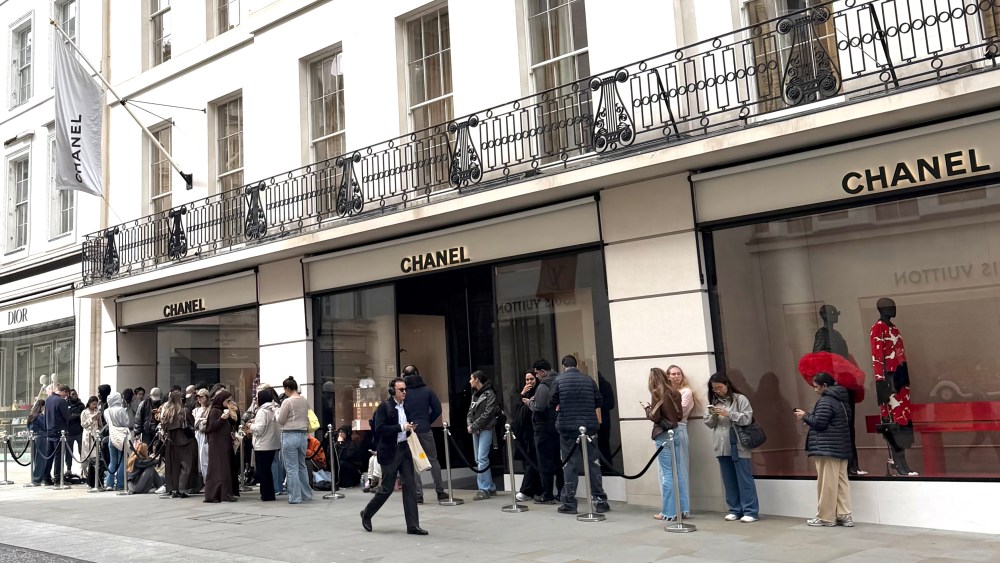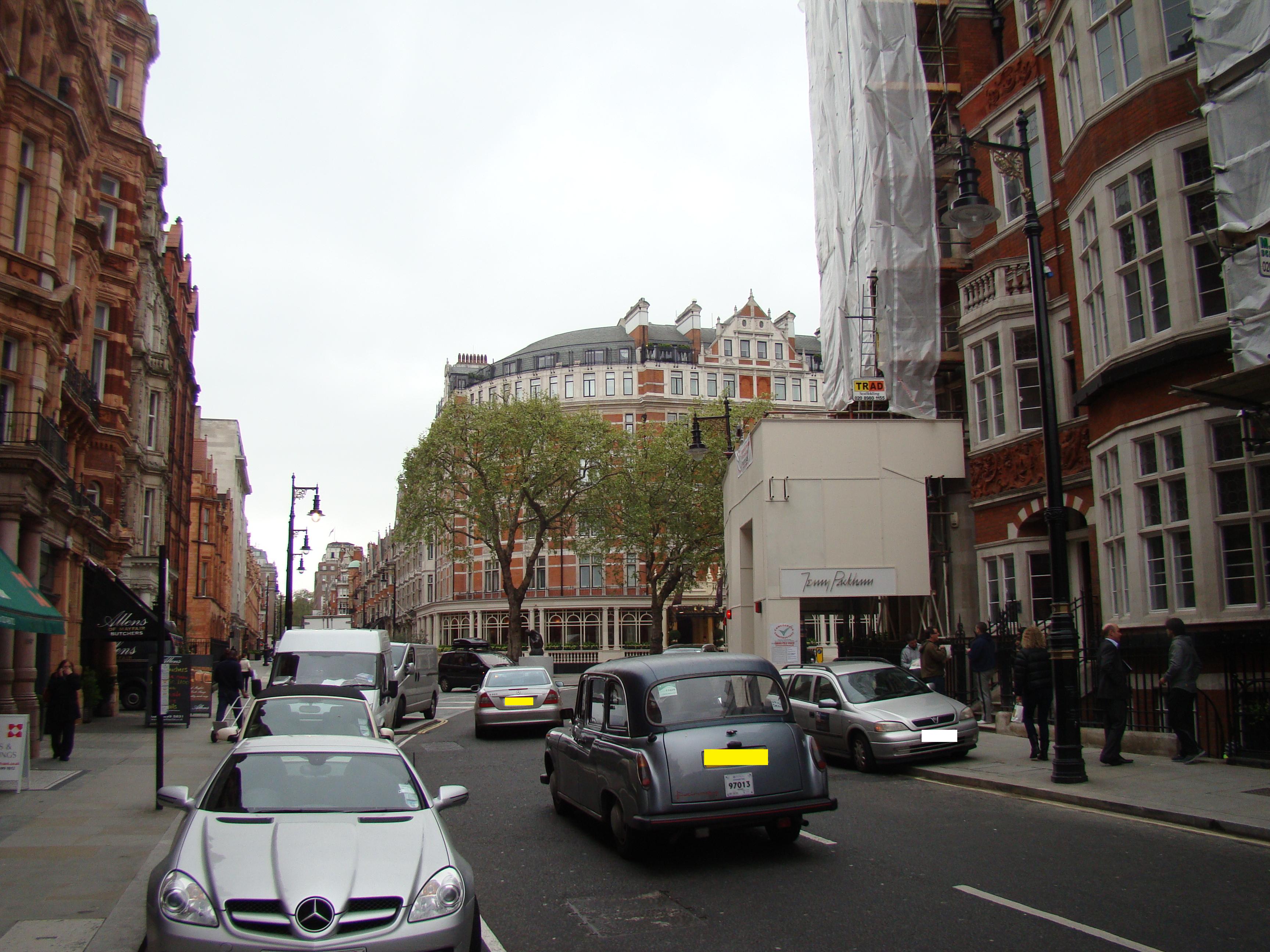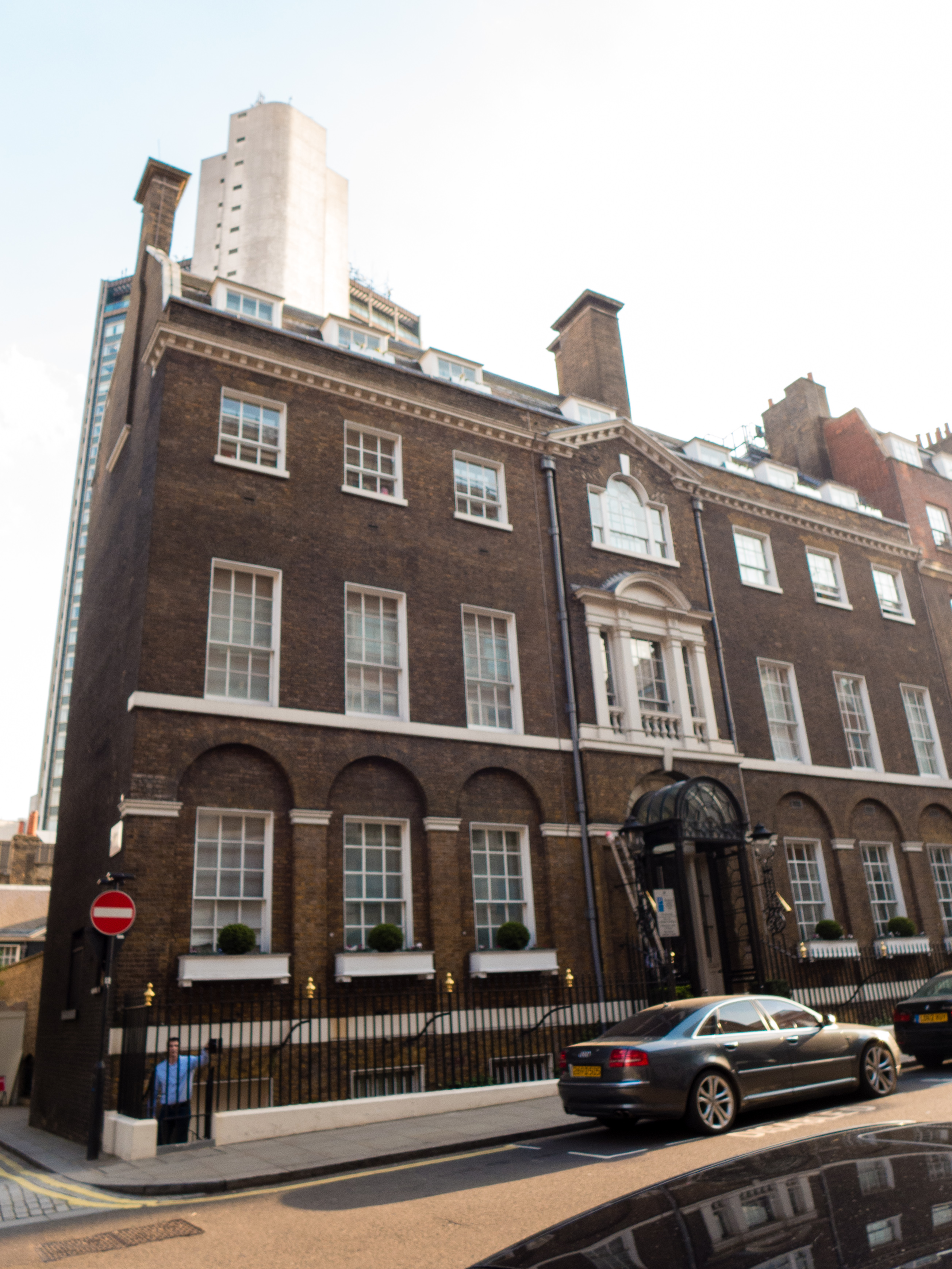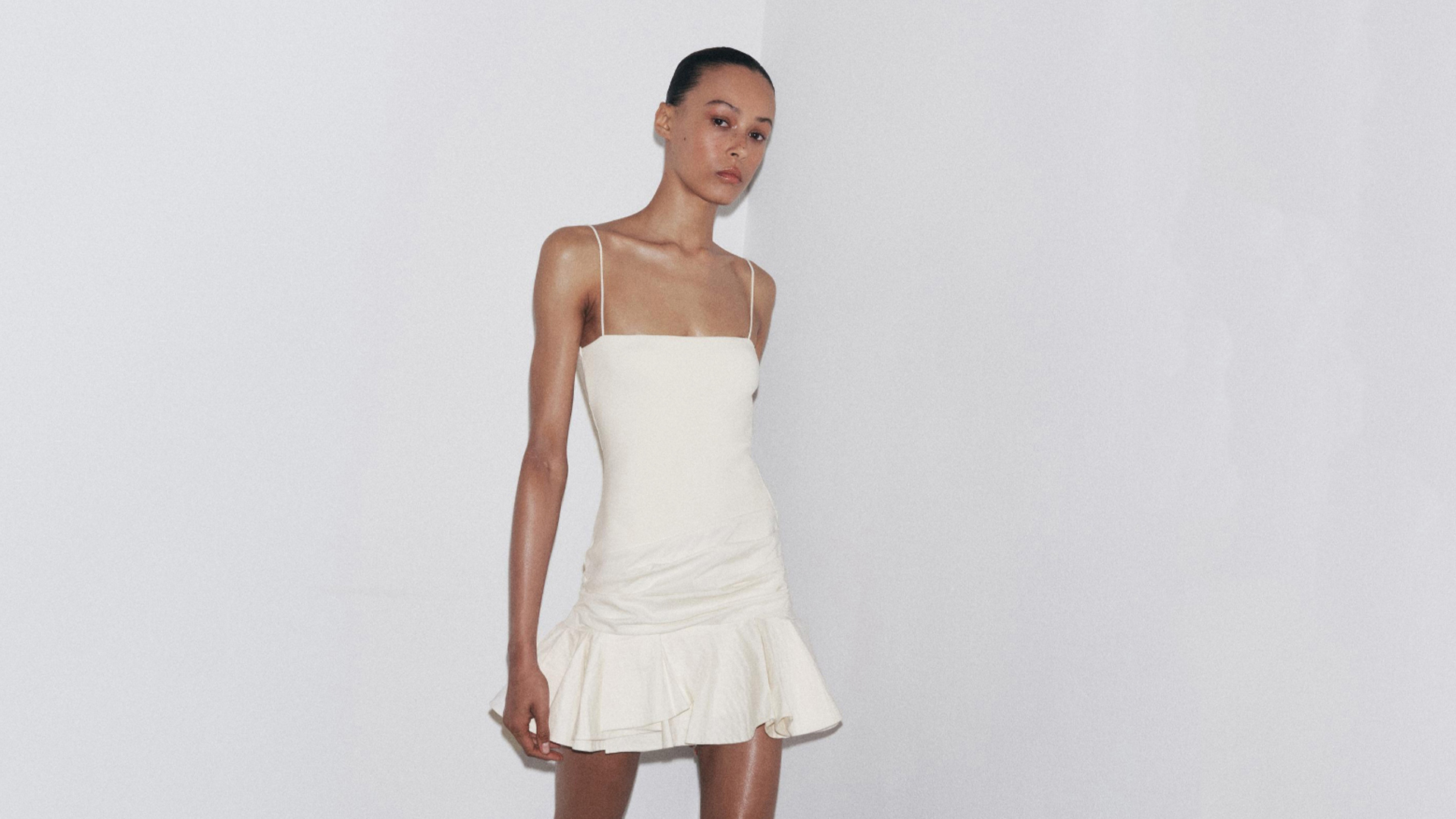
In a neighbourhood where Hermès scarves flutter past Cartier windows and the whisper of designer shopping bags on cobblestones provides the soundtrack to luxury, one might wonder what place the high street holds on Bond Street's hallowed stretch. The answer, it seems, lies in evolution rather than revolution.
Zara's recently reopened flagship on New Bond Street represents more than a simple retail refresh - it's a sophisticated reimagining of how contemporary fashion can coexist with Mayfair's traditional luxury ecosystem. The Spanish retailer, long celebrated for its ability to democratise runway trends, has unveiled a space that acknowledges its prestigious postcode with state-of-the-art features that wouldn't look out of place in the neighbourhood's most exclusive boutiques.
Where Innovation Meets Heritage
The timing of this reopening is particularly astute. As Mayfair continues to attract a new generation of affluent professionals - from tech entrepreneurs in serviced offices along Berkeley Street to private equity partners maintaining pied-à-terres overlooking Hyde Park - the shopping landscape must adapt accordingly. These discerning consumers appreciate both heritage craftsmanship and contemporary innovation, often seeking pieces that bridge the gap between investment dressing and accessible luxury.
Bond Street itself has long been the crucible where such retail evolution takes place. From the Burlington Arcade's Victorian elegance to Dover Street Market's avant-garde curation just streets away, this golden mile has consistently demonstrated that luxury isn't merely about price point - it's about experience, innovation, and understanding one's clientele.
The Art of Accessible Luxury
Zara's enhanced flagship speaks to this evolution with considerable sophistication. The integration of cutting-edge technology alongside carefully curated collections suggests a brand that understands its Mayfair context. For the discerning professional who might lunch at Scott's before an afternoon of shopping, or the international visitor whose itinerary includes both the Wallace Collection and luxury retail therapy, this represents retail democracy at its most refined.
The store's state-of-the-art features - whilst not detailed extensively in initial reports - signal Zara's commitment to elevating the shopping experience beyond mere transaction. In an area where personal shoppers are de rigueur and bespoke service is expected rather than exceptional, such innovations become essential rather than optional.
Mayfair's Retail Evolution
This development reflects broader changes within Mayfair's retail landscape. The neighbourhood has increasingly embraced brands that can offer luxury experiences without necessarily commanding luxury price points. From COS's minimalist aesthetic on Regent Street to & Other Stories' editorial approach to fashion, there's a growing recognition that today's Mayfair shopper - whether resident, worker, or visitor - appreciates variety in their luxury portfolio.
For the international visitor staying at Claridge's or The Connaught, Zara's enhanced offering provides an opportunity to experience contemporary European fashion within Mayfair's prestigious retail corridor. For local professionals, it represents efficient luxury - the ability to acquire well-designed pieces that can transition seamlessly from Mayfair offices to Marylebone dinner parties.
The strategic importance of this location cannot be overstated. New Bond Street's proximity to auction houses like Sotheby's, luxury hotels, and Michelin-starred restaurants means that Zara's clientele here expects a certain level of sophistication in their retail experience. The brand's investment in state-of-the-art features suggests they recognise and respect these expectations.
As Mayfair continues to evolve - balancing its heritage as London's luxury epicentre with the demands of contemporary retail and hospitality - Zara's refreshed flagship represents a compelling case study in how brands can honour their postcode whilst remaining true to their core values. In a neighbourhood where tradition and innovation dance an intricate pas de deux, this reopening suggests that luxury, like fashion itself, is ultimately about adaptation and excellence in execution.