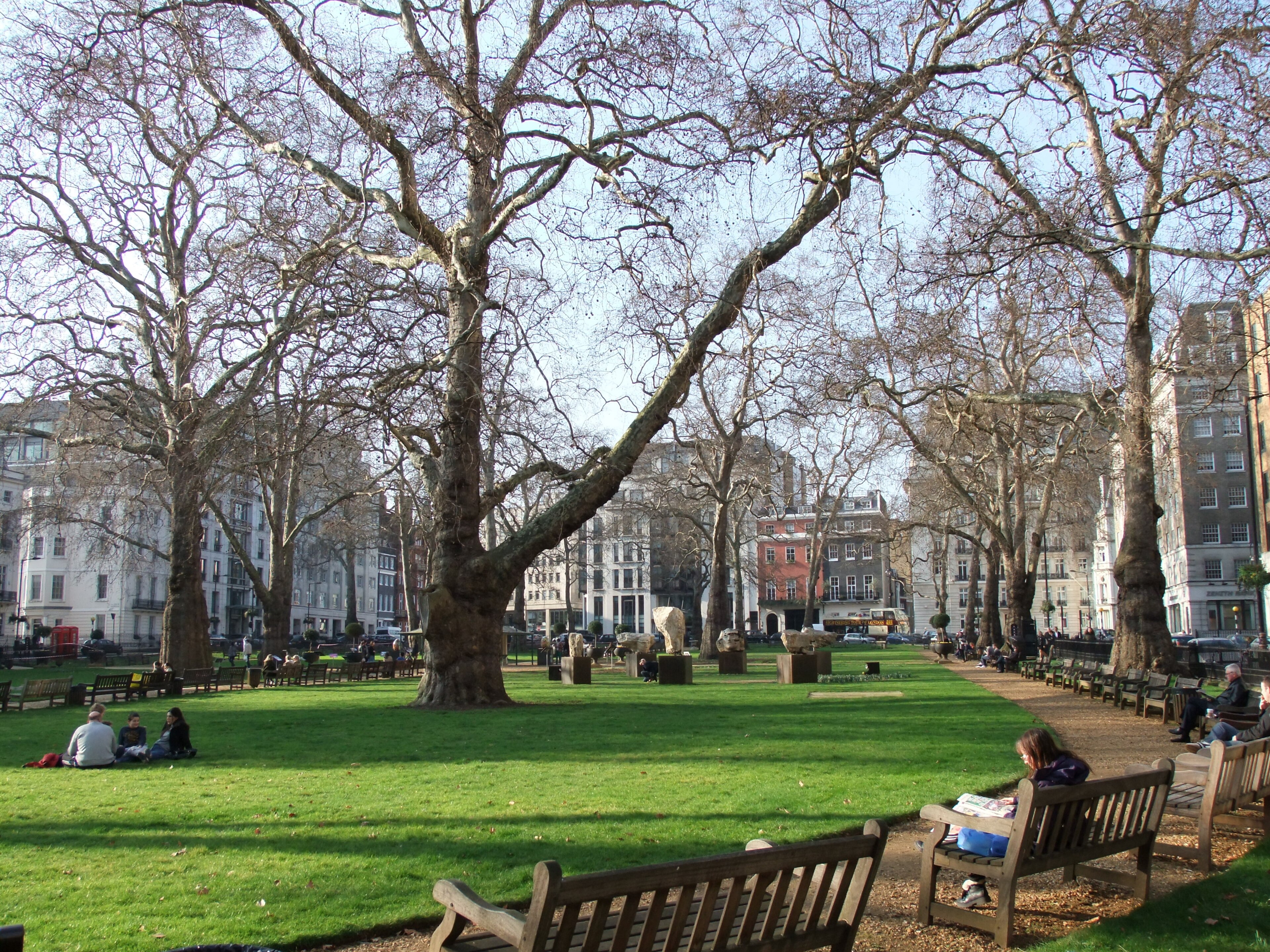
Berkeley Square in Mayfair, London W1, is not a square. A writer on Vocal points out that it is really a rectangle or oblong, running roughly north to south, and says names like "Berkeley Oblong" would lack the romance the word "square" carries.
The nightingale that never sang
The famous song about a nightingale in Berkeley Square, the writer says, rests on lyrical and ornithological licence. In the 250 years since the square was laid out, he reports, there have been no recorded sightings of nightingales there.
The square does have the usual London wildlife. The writer lists sparrows, pigeons, starlings and robins clearing up crumbs from open-air lunches, with squirrels scurrying around after whatever the birds miss.
Crawling by Sophie Ryder
The writer's main subject is an installation in the square called Crawling, by the artist Sophie Ryder. It is a very large hare moving on all fours, with hands and feet that are distinctly humanoid and a leaning towards the feminine. He says it is unsettling at first sight, and describes walking past it several times and then sitting on a bench to watch other people stop and look. In his account the sculpture drew more attention from lunchtime walkers than the Renaissance style fountain with a nymph at the centre of the square.
He says he did not expect to like it, but did, because it made him stop and think. He adds that reading the plaque near the piece eased some of his discomfort, and that further research changed his understanding of it.
Crawling represents a lady hare. The artist describes it in these words:
"To me it encompasses so many emotions. The lady is strong and confident and she is moving along which makes me wonder where she is going?"
How it was made
According to the writer, Ryder made a maquette in 1999, liked it and decided to scale it up into an outdoor installation. Her first attempt collapsed after two months of work and left her with slight bruising. She said, "It felt like two months’ work was wasted", though in that time she gained two years’ experience of making big pieces.
A note on the traffic
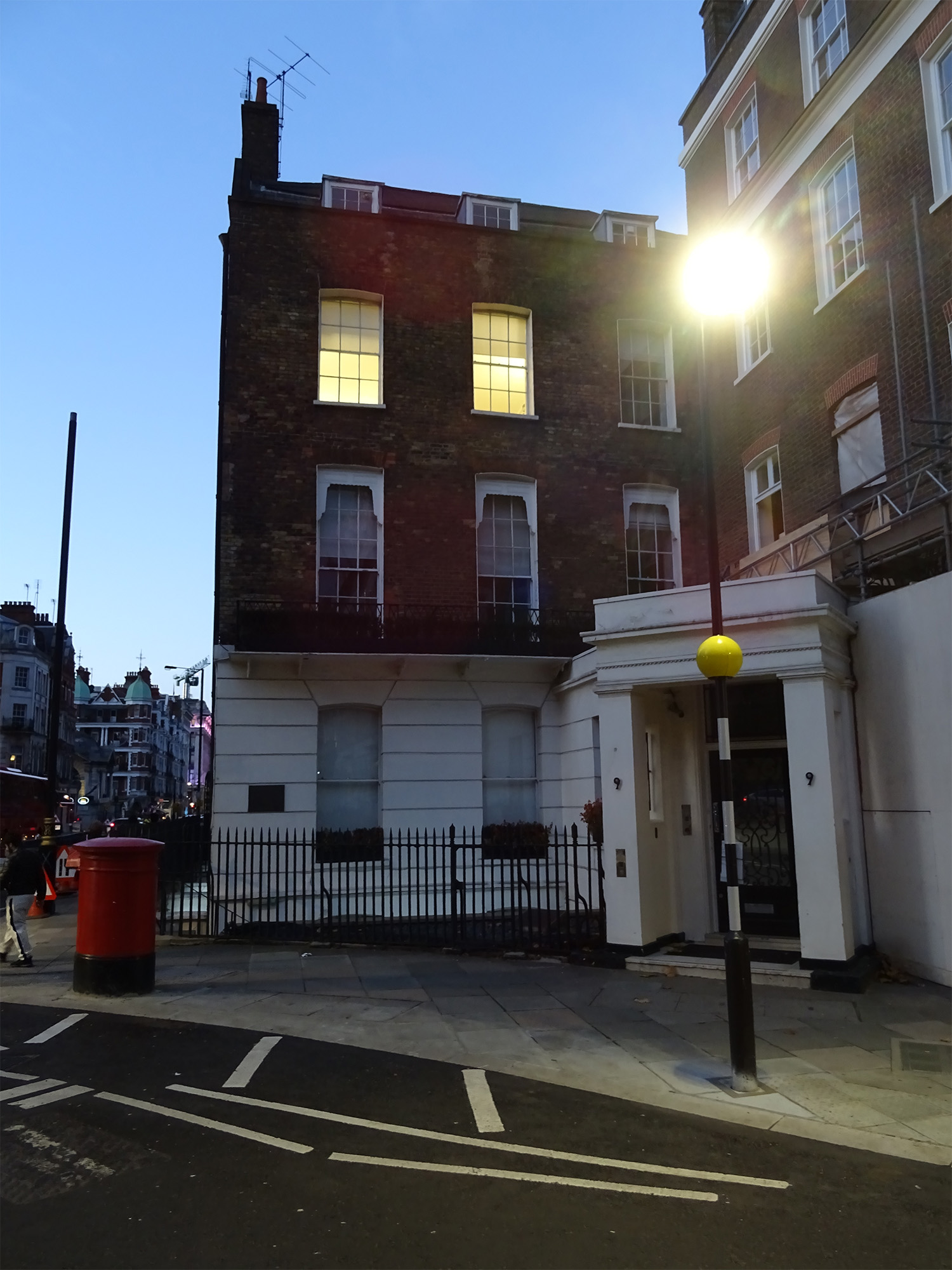
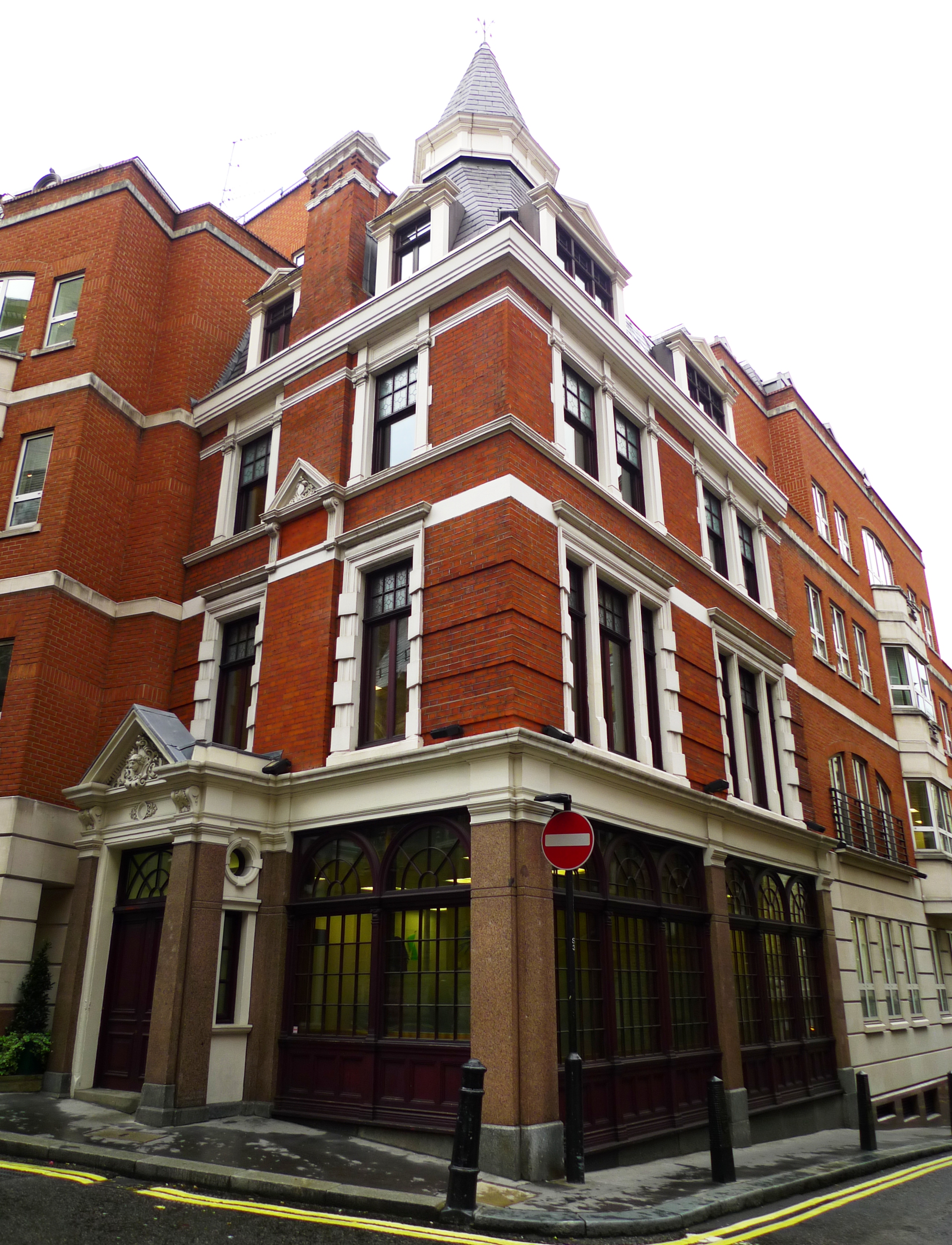
The writer also set out to see a house on the south-west corner of the square, near Charles Street, which appears in a painting in the book "Londoner’s England". He decided not to photograph it, citing the high volume of fast-moving traffic around the square.
The piece is a rewrite of an earlier version that will appear in his forthcoming book "To Wander To Wonder To Write".
Photo: PAUL FARMER, CC BY-SA 2.0, via Geograph.